The Most Valuable Clock in the World

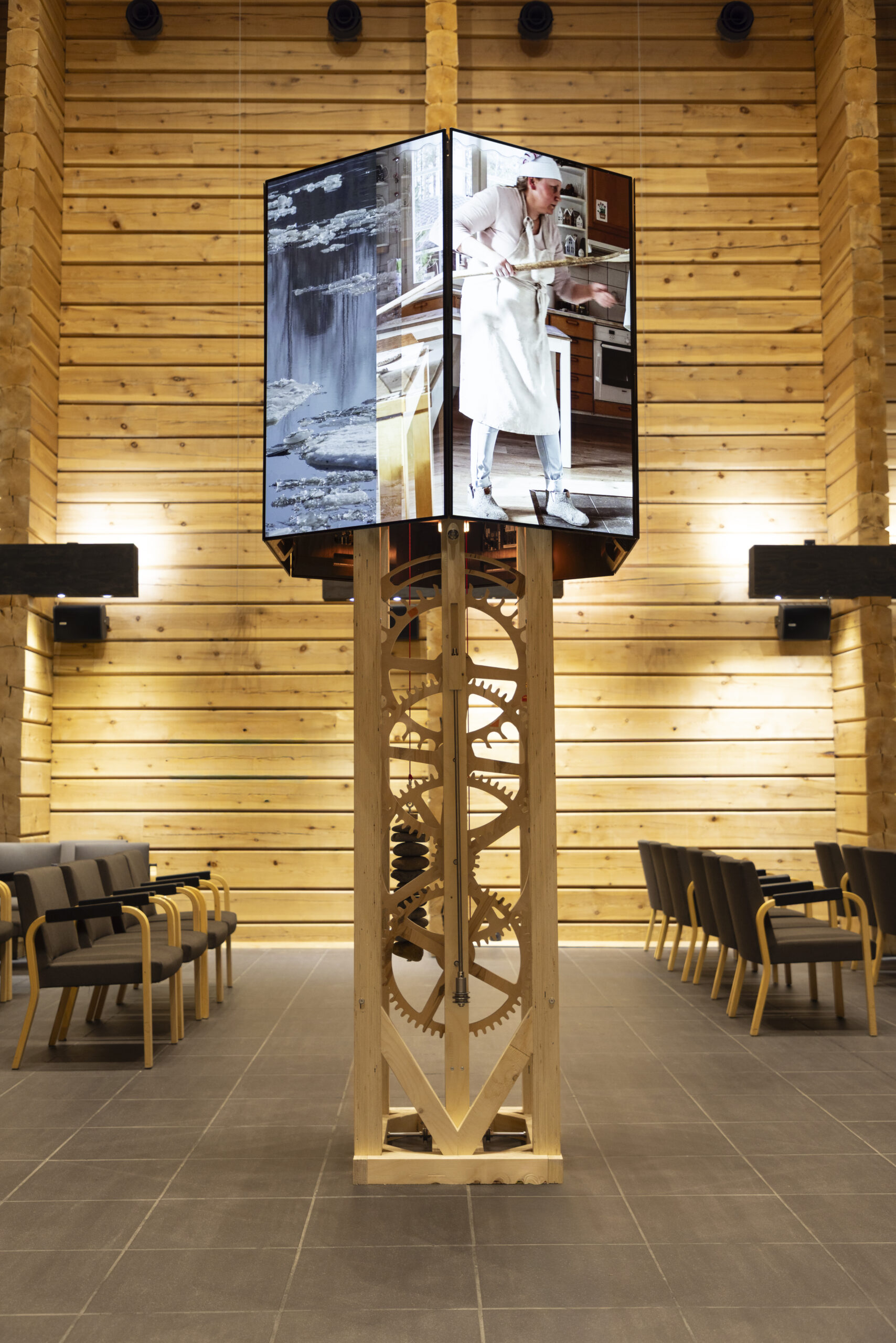
The Most Valuable Clock in the World is a large wind-up mechanical-electronic clock. Its wooden gears control six screens that present recorded moments in cycles of hours, minutes, and seconds. It displays and preserves moments considered valuable by the people of Oulu, Finland, in 2025. The value of the clock lies in personally meaningful moments contributed through an open call.

The clock’s minute hand is composed of 60 everyday moments contributed by Oulu residents. The second hand consists of fleeting moments captured by 106 local participants. The hour hand, formed from twelve one-hour videos, depicts species, habitats, and natural phenomena in the Oulu region whose continued existence in their present form is under threat. It was created in collaboration with researchers from the University of Oulu and the Arctic Centre in Rovaniemi, as well as other nature experts from Oulu.

The clock itself was built together with a dedicated group of eight local participants.

By displaying what people considered valuable, the work also serves as a time capsule for future generations, preserving a portrait of life in Oulu in 2025 and the moments its people chose to remember.

The work was made by Oliver Kochta-Kalleinen and I. It was curated by Alice Sharp (Invisible Dust, London) and created as part of Climate Clock, a programme of Oulu2026 European Capital of Culture. The production also received additional support through AVEK’s Mediarata programme for our production company, Firma.

Photo by Maija Toivanen
Final Scenes of Disaster Movies

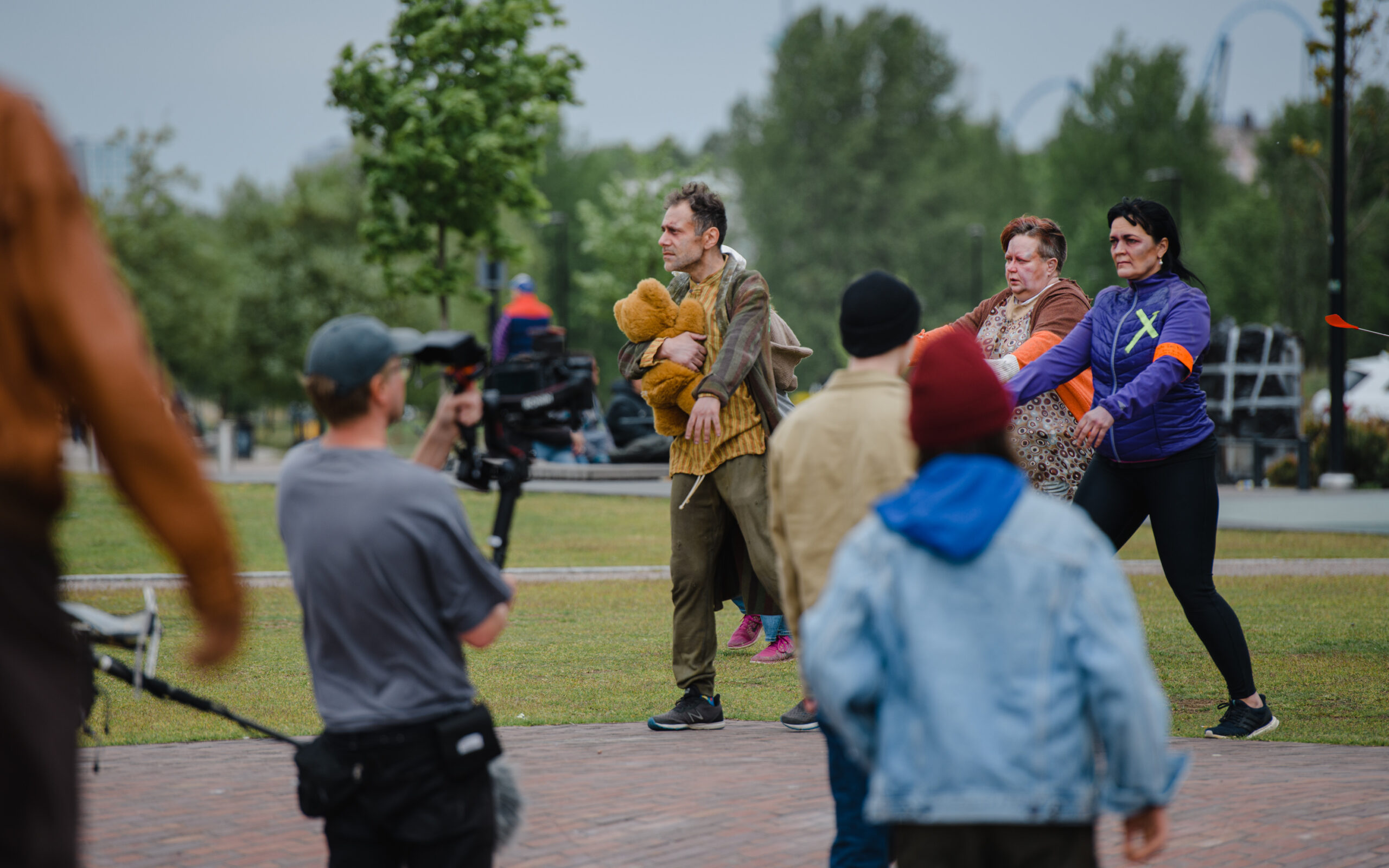
For Final Scenes for Disaster Movies (2023), me and Oliver invited residents of Helsinki to imagine final scenes of imaginary disaster movies. The only condition was that the scenes had to take place in Kansalaistori, a square in the heart of Helsinki. 

Of the 105 submissions, we realised three. One hundred volunteers performed in the films.

The commissioning organisation, Helsinki Festival, premiered the films in the same square where they were shot, as a free opening event for an audience of 15,000. The musical score was composed and performed live by Cleaning Women. The project was curated by Marko Ahtisaari.

101 For All


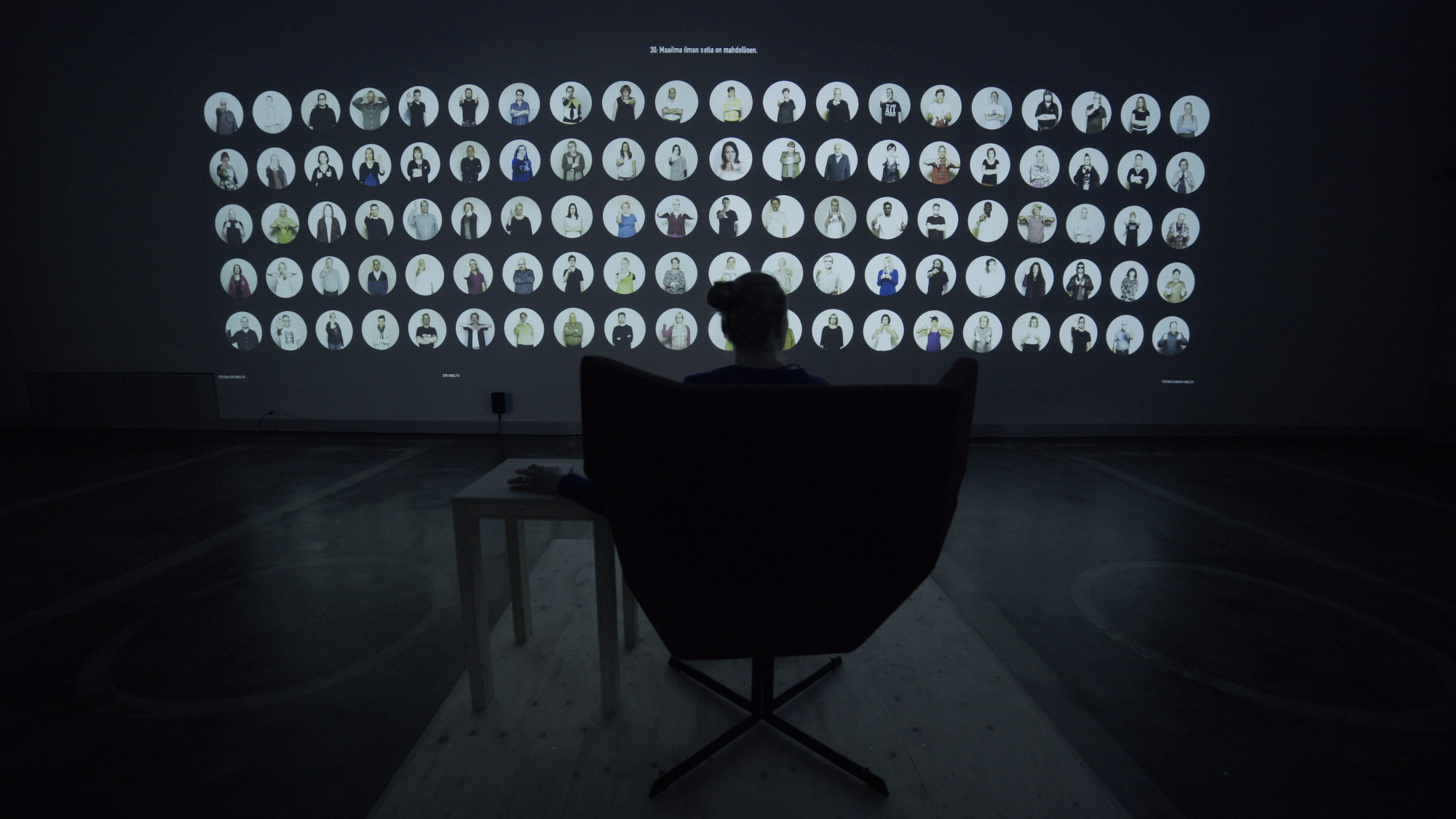
101 For All (Tellervo Kalleinen & Oliver Kochta-Kalleinen, 2015) explores the personal stories behind opinions and the power of those who frame the results of surveys.

The 100 participants in the artwork form a cross-section of the Finnish population in terms of gender, age, region, education, income level, country of origin, and native language. Fifty-one of them are women, thirteen are over 70 years old and one holds a PhD.

In 2015, Tellervo Kalleinen and Oliver Kochta-Kalleinen visited the participants in their homes and interviewed them about their personal relationships to 30 divisive topics. The interviewees tried to identify personal life experiences and influences that shape their opinions.

The 1900 responses were used in an interactive video installation. The installation gives one viewer at a time the power to choose who speaks. Other visitors experience the work through the choices of that viewer, who controls which voices are heard and on which topics.

PEOPLE IN WHITE

Tellervo Kalleinen & Oliver Kochta-Kalleinen, 2011
Commissioned by Art and Madness -festival, Haarlem, The Neatherlands
Curated by Nina Folkersma

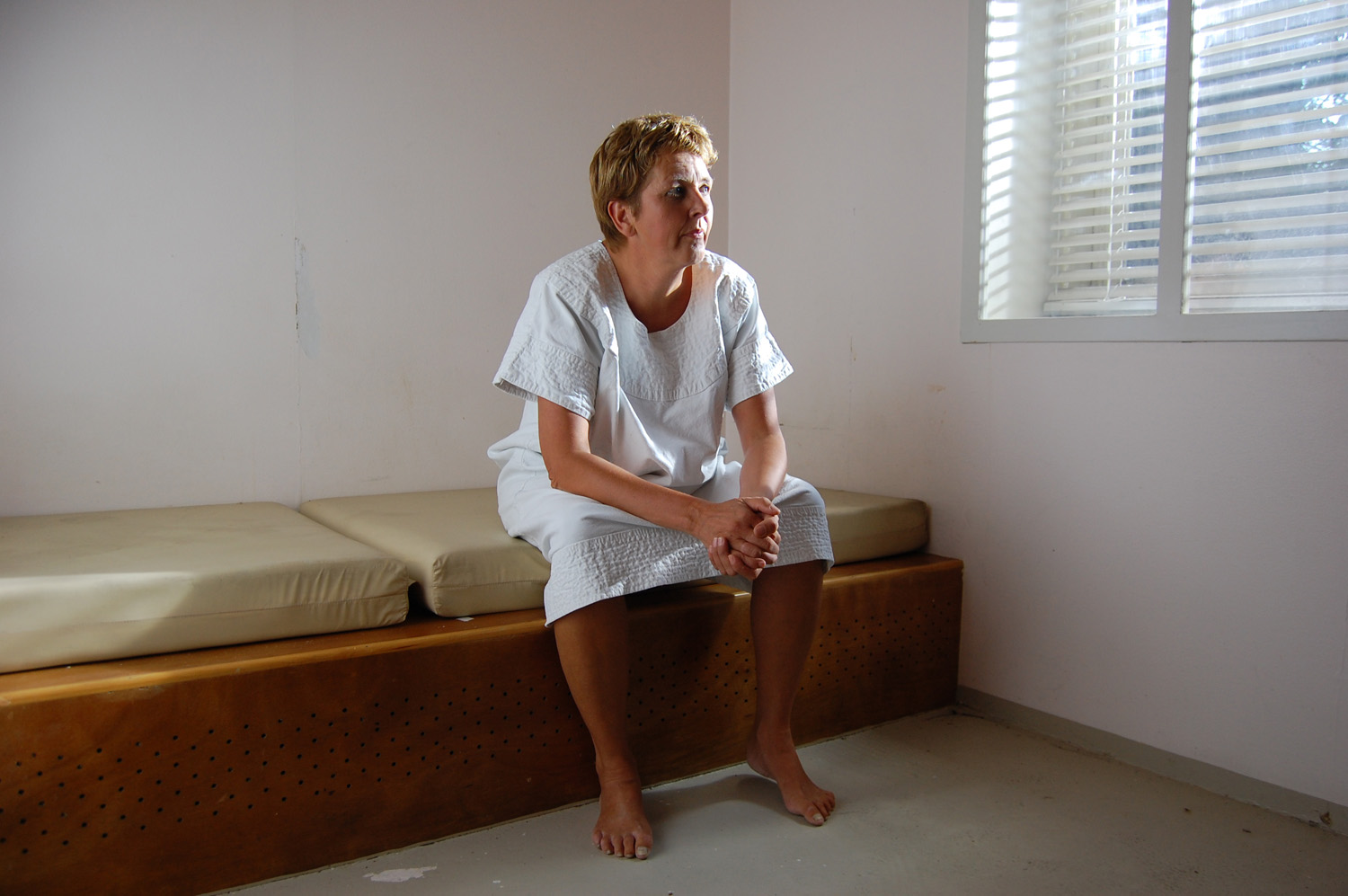
People in White explores the relationship between doctor and patient in mental health care – strictly from a patient’s point of view. In the film, 9 former clients of mental health institutions return to their memories through storytelling and re-enactments.

The script is constructed from direct quotes from extensive interviews conducted with the participants. The participants could decide whether to act in the film or if an actor represents them.

The project was commissioned by the Madness and Arts -festival.

COMPLAINTS CHOIR

Tellervo Kalleinen & Oliver Kochta-Kalleinen 2005-2014
Many commissioners, including Mori Art Museum (Tokyo), Kiasma (Helsinki), Nordwind festival (Berlin), Pro Arte (St. Petersburg), Fringe festival (Singapore)

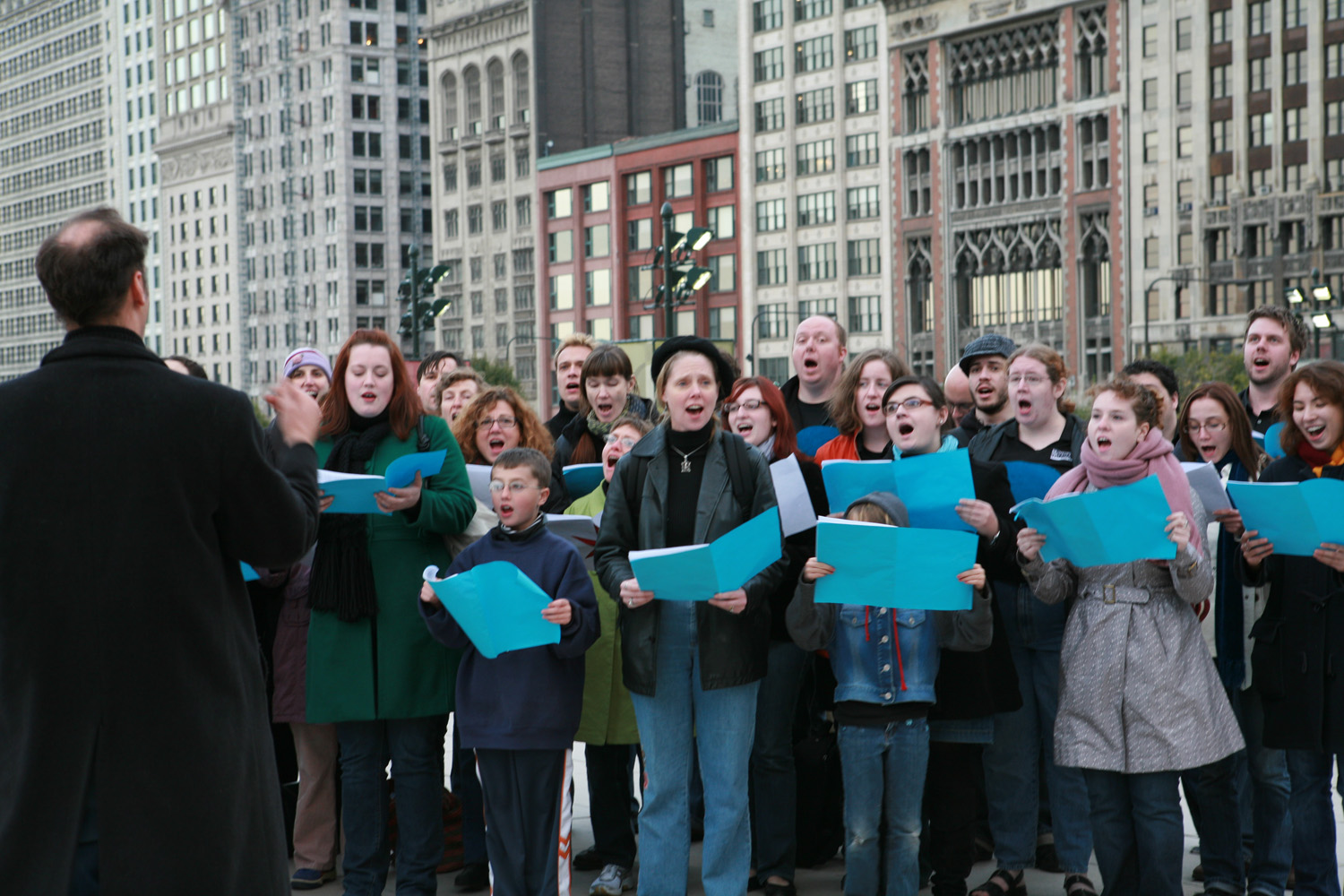
The COMPLAINTS CHOIR project invites people to sing their complaints out loud together with fellow complainers. We organised the first choir in Birmingham followed by the Complaints Choirs of Helsinki, St. Petersburg, Chicago, Singapore and many more. The documentation of the choirs form a 4-channel video installation.

In 2006 the project went “open source” when we published the “9 Easy Step Method to Organize a Complaints Choir” on our website. Since then over 150 DIY complaints choirs have been organised all over the world.

Dreamland

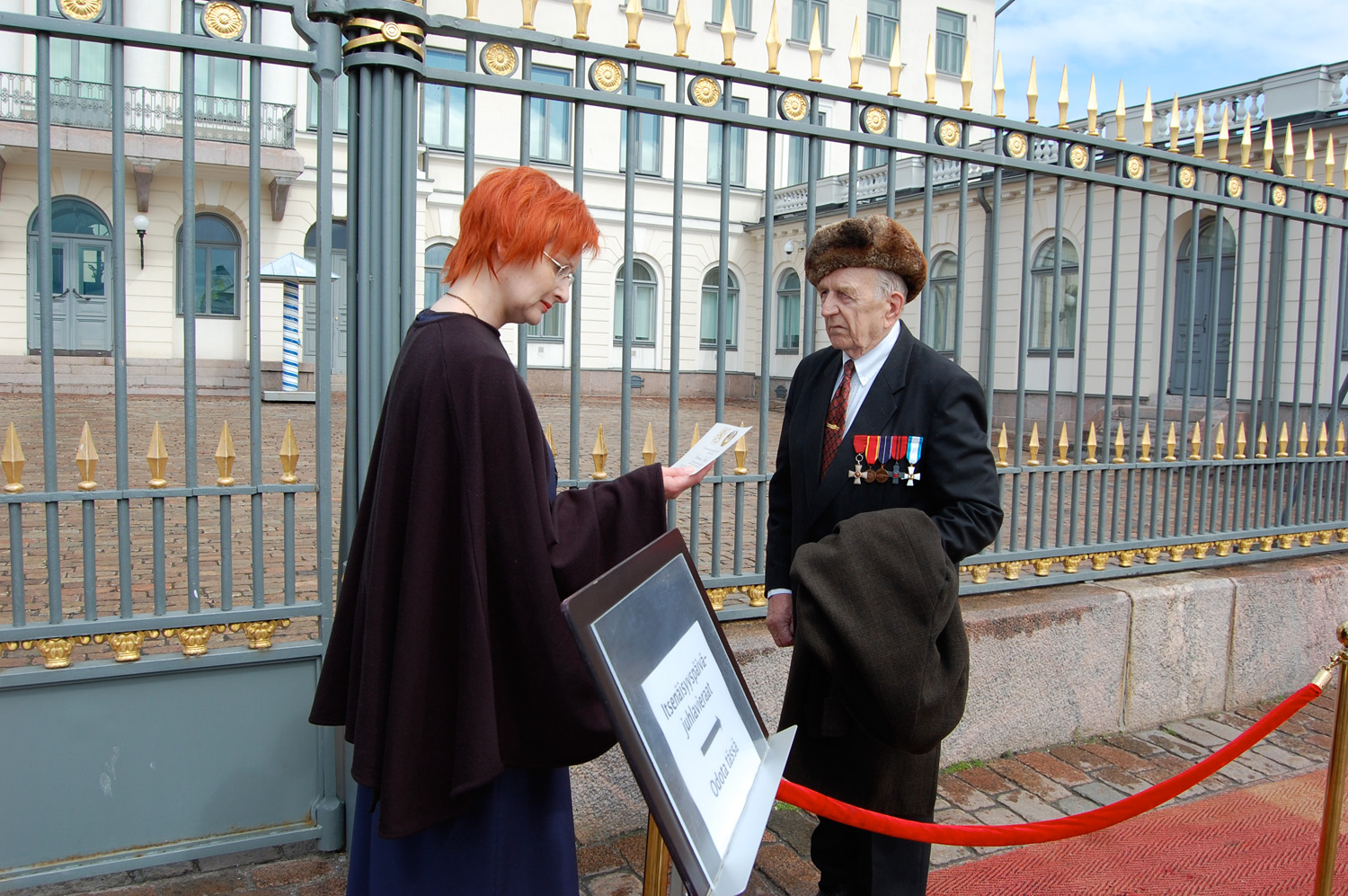
Dreamland is a film montage containing dramatizations of dreams of Finnish citizens in which the President of Finland Tarja Halonen makes an appearance. It is a work investigating people’s subconscious attitudes to the mother / father figure of a state.

In the video the dreams are presented as one long stream where the borders between the dreams are blurry, creating one collective portrait of a leader of state.

The Making Of
In Spring 2009 Tellervo and Oliver collected 87 dreams from all around Finland. A selection of 21 dreams were then dramatized and filmed. The President was played by four different actors, all other roles were acted by volunteers.

Installation
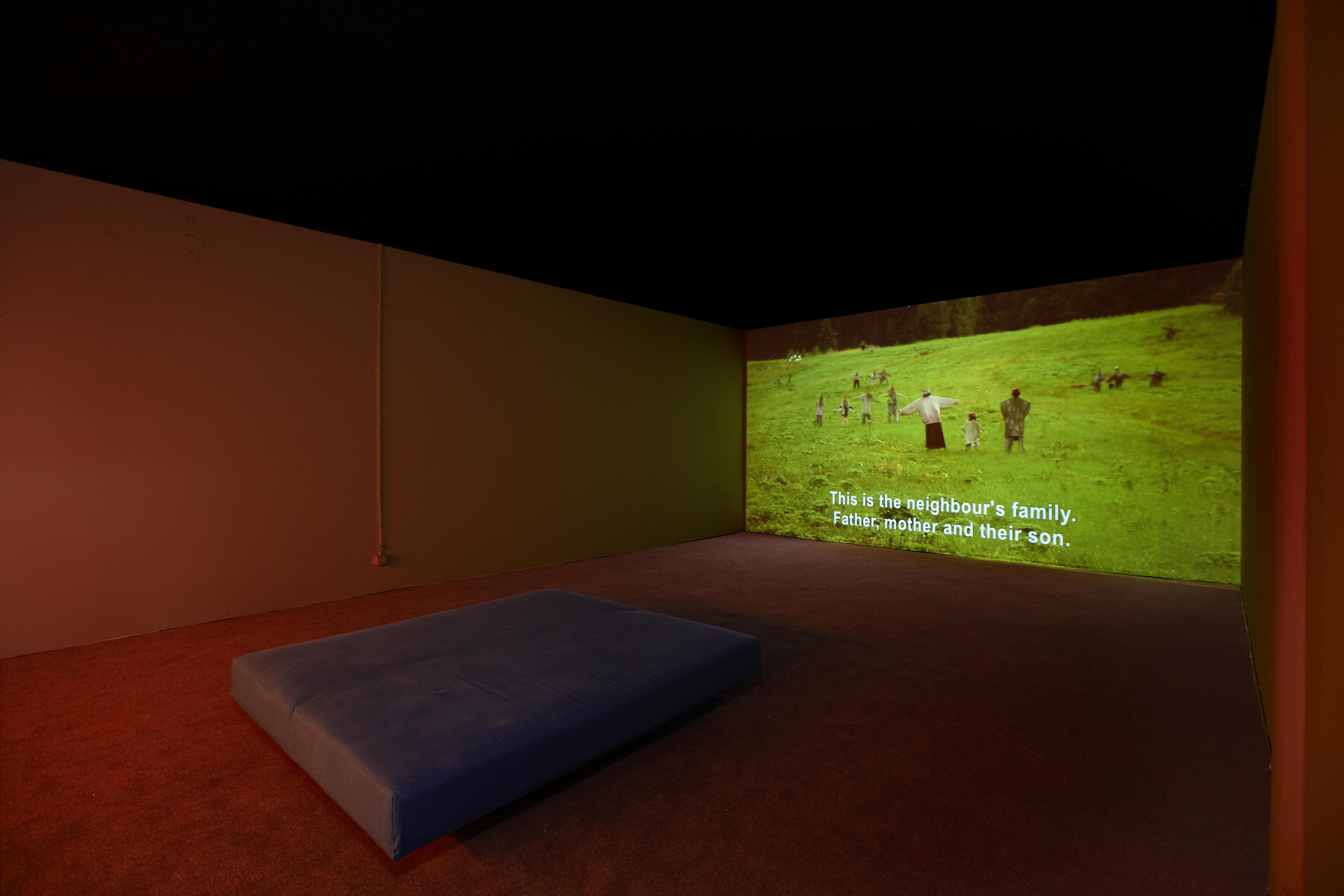
The films are distributed on the walls of different rooms, so that the spectator can walk through them. The installation can be adapted to any space consisting of 3-10 rooms.

All 87 dreams submitted to the project can be read from one wall.

One channel version available for screenings.

PLAY THIS AT MY FUNERAL

Tellervo Kalleinen & Niina Lehtonen Braun
2013, Helsinki, Berlin, Stockholm

Music video for Blood Music´s song “Play This At My Funeral” made by Tellervo Kalleinen and Niina Lehtonen Braun. The artists invited people to pose with an instrument, which they wish to be played at their funeral.

I Love My Job

By Tellervo Kalleinen & Oliver Kochta-Kalleinen, 2010

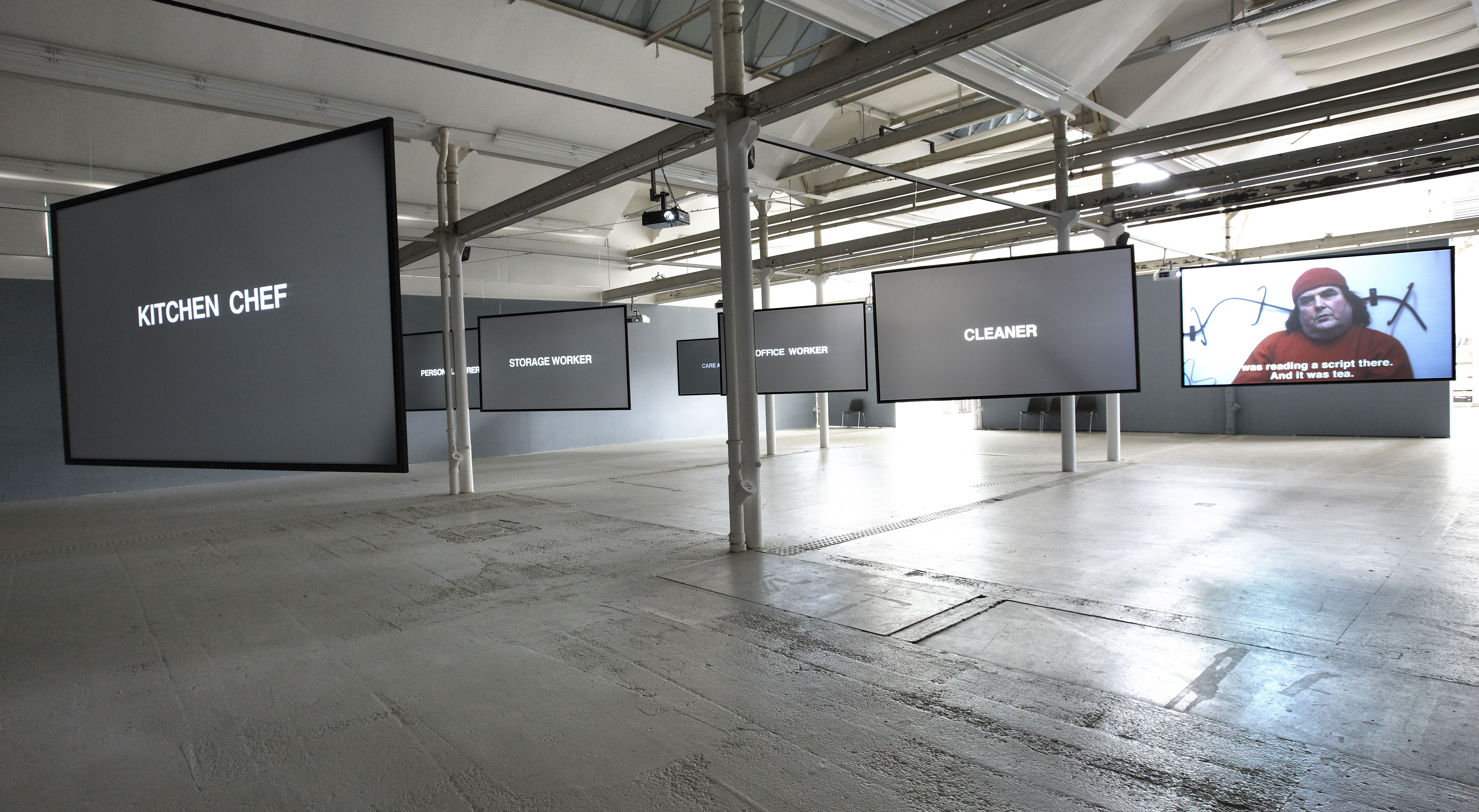
I Love My Job dramatizes conflicts experienced by employees of eight different work places in Helsinki, Finland and Gothenburg, Sweden. The episodes end with dark fantasies, that have grown in minds of the participants because of the unresolved conflicts.

Installation

Eight back projection screens are hanging in a dark space. In each scene you see a title of a profession. One film is playing at a time.

Archipelago Science Fiction

[metaslider id=1379]

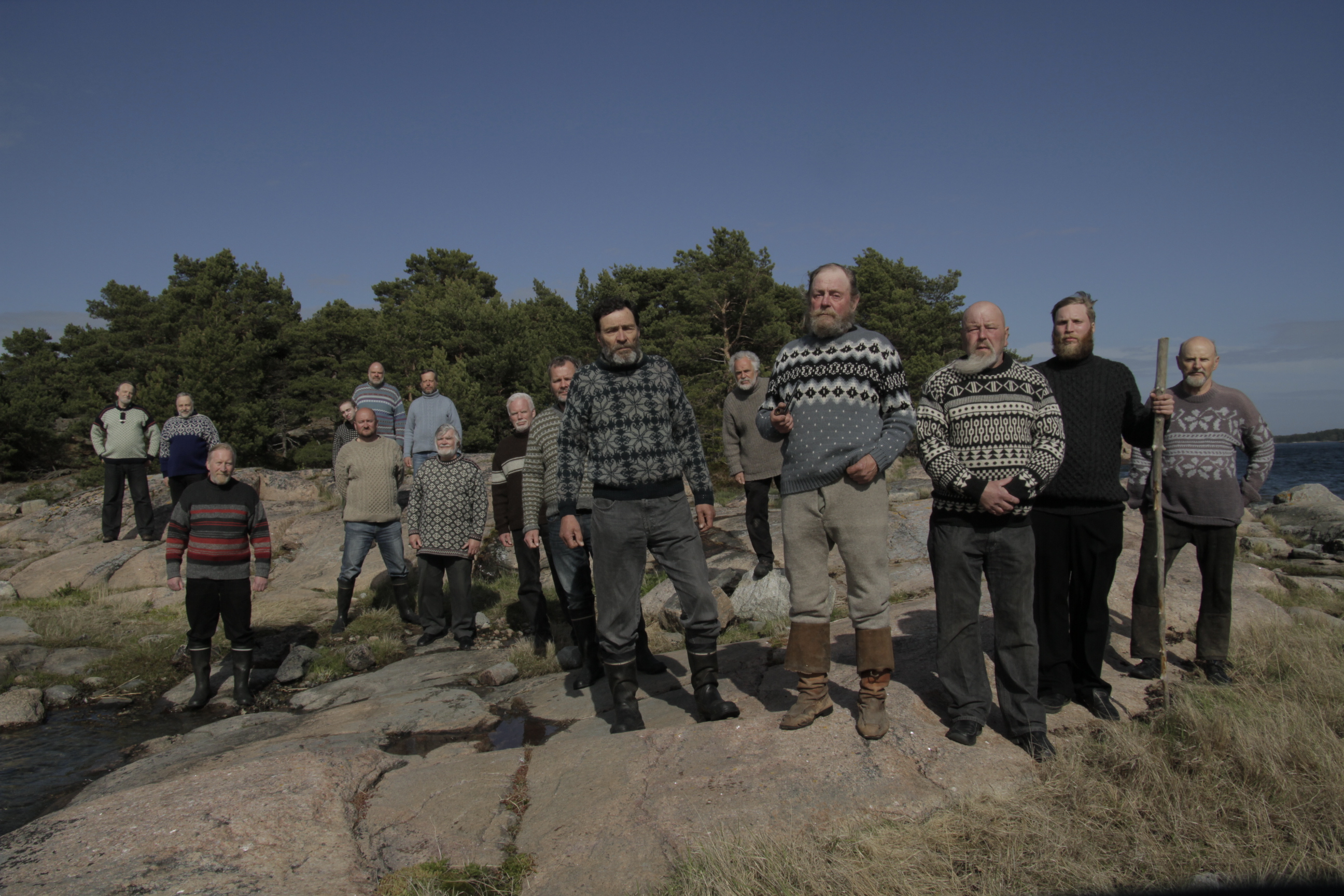
The Turku archipelago – thousands of islands located on the Baltic Sea – provide the framework for four sci-fi scenarios. The islanders themselves perform the hilarious and sometimes chilling episodes they scripted based on their own fears and hopes of how the area will develop in 100 years.

The episodes:

Paradise for the aging elite
Lifestyle immigration
Neo-capitalism in a post-apocalyptic world
An outdoor museum for the Chinese middle-class.

Regardless of their surrealistic ambiance the visions are contemporary and universal. These actually inhabited islands open a dizzying window for viewing current social tendencies.

The Making of

Using web questionnaires and face to face interviews the filmmakers Tellervo Kalleinen, Oliver Kochta-Kalleinen and Henrik Andersson mapped islanders´ worst and best case scenarios about the future of the archipelago. Based on those interviews, three workshops were held at Utö, Houtskär and Korpo -islands. The workshops produced different science fiction film ideas portraying bleak or optimistic (or both) visions of the archipelago of Turku in the year 2111. More than 100 locals acted in the films.

Installation

4 monitors with headphones, a bench.
One monitor is reserved for each of the episodes. You can see the title of the episodes in each of the monitors. One episode at a time is running.

One channel -version available for screenings.

DREAMLAND

Tellervo Kalleinen & Oliver Kochta-Kalleinen, 2009

DREAMLAND is a film montage containing dramatisations of dreams of local citizens in which the President of Finland makes an appearance. In Spring 2009 we collected 87 dreams from all around Finland. A selection of 21 dreams were then dramatized and filmed. The President was played by four different actors, all other roles were acted by volunteers.

IN THE MIDDLE OF A MOVIE

Tellervo Kalleinen
2001-2003, Helsinki, St Petersburg, Hamburg, LA, Seydisfjördur, Tallinn

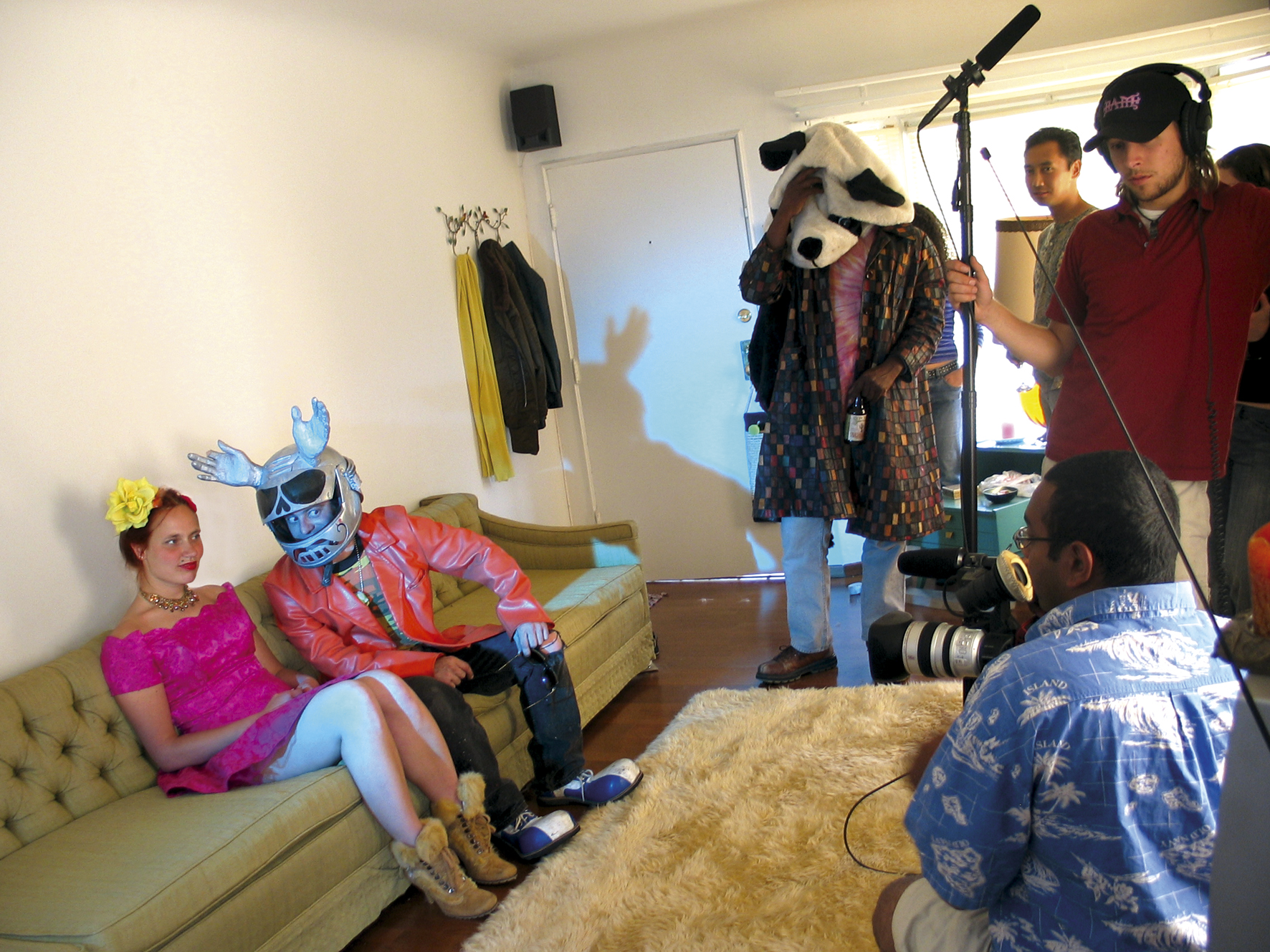
Tellervo Kalleinen asked people to plan a film scene which takes place in their own home, and to give Tellervo a role in it.

TRACKING DAR ES SALAAM

Tellervo Kalleinen & Oliver Kochta-Kalleinen, 2009
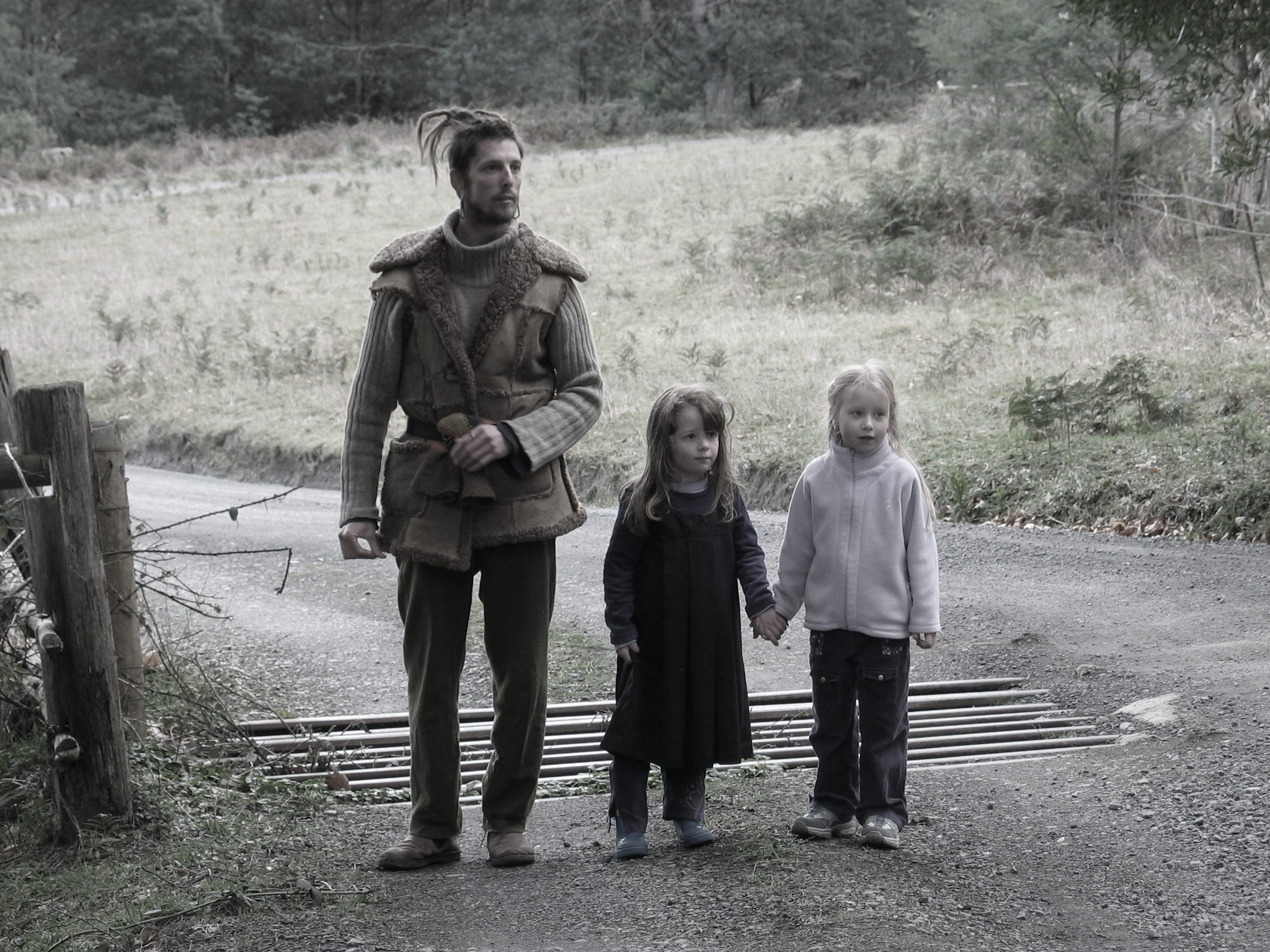
Hosted by Nafasi Art Spae, Dar es Salaam, Tanzania
Curated by ZK/U, Berlin

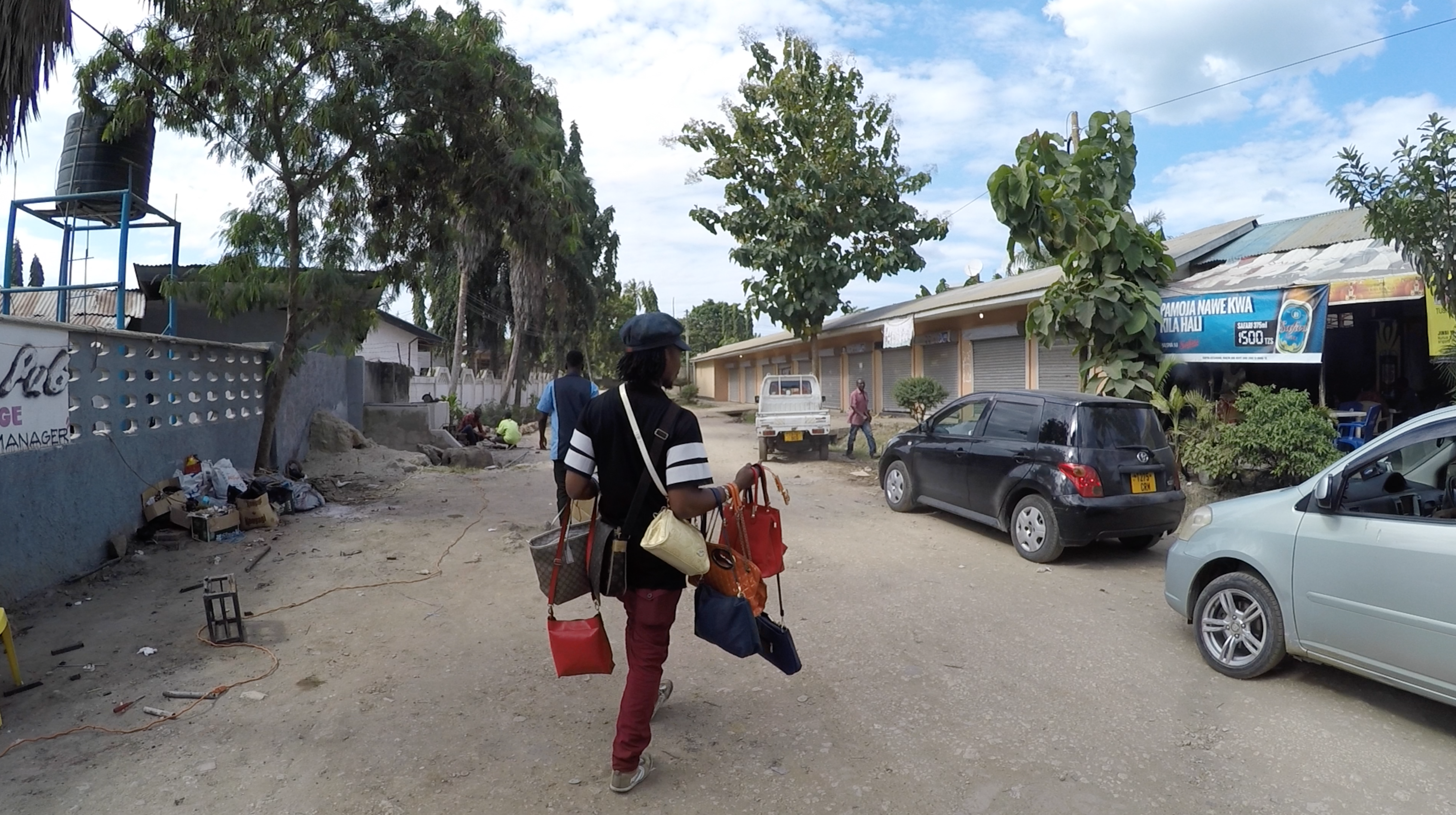
TRACKIN DAR ES SALAAM is an interactive video installation that allows viewers to follow 11 residents of Dar es Salaam finding their daily paths trough the sprawling city of Dar – from dawn to dusk. The 11 particpants reflect and comment in voice overs upon their views on living in that city, how the city has changed, and how it could be improved. This project was part of “Simulizi Mijini / Urban Narratives” – an academic and artistic exchange between Berlin and Dar es Salaam, focussing on urban heritage, whether tangible (architecture) or intangible (cultural practices at large).

THE MAKING OF UTOPIA

Tellervo Kalleinen & Oliver Kochta-Kalleinen
Commissioned by Art Space, Sydney, 2006

THE MAKING OF UTOPIA brought us to four Utopian communities in Australia (Bodhi Farm, Dharmananda, Equilibrium and Moora Moora.) We sent an open letter to the communities inviting them to join a workshop and write a fiction film about themselves. The main questions we posed to the communities were related to the ongoing conflict between utopian vision and communal reality. The workshops resulted in 4 short fiction films written and acted by community members. In several interviews the participants commented on the films that came up in each community. Additional commentary is provided by Bill Metcalf – a leading researcher of Intentional Communities.

THE MAKING OF UTOPIA : 2006 : film 60 min : media installation

In The Middle Of A Movie

[metaslider id=1404]

Tellervo Kalleinen traveled around the world placing ads: ”Plan a film scene in your home and give a Finnish woman a role in it”. She went to every home where she was invited and acted the roles she was given.

The project was realized in Hamburg, Helsinki, Los Angeles, Seydisfjördur, St.Petersburg and Tallinn. Altogether 65 scenes were filmed.

Installation

The work is presented as an installation with six arm chairs and six tv monitors on a carpet.