Biased

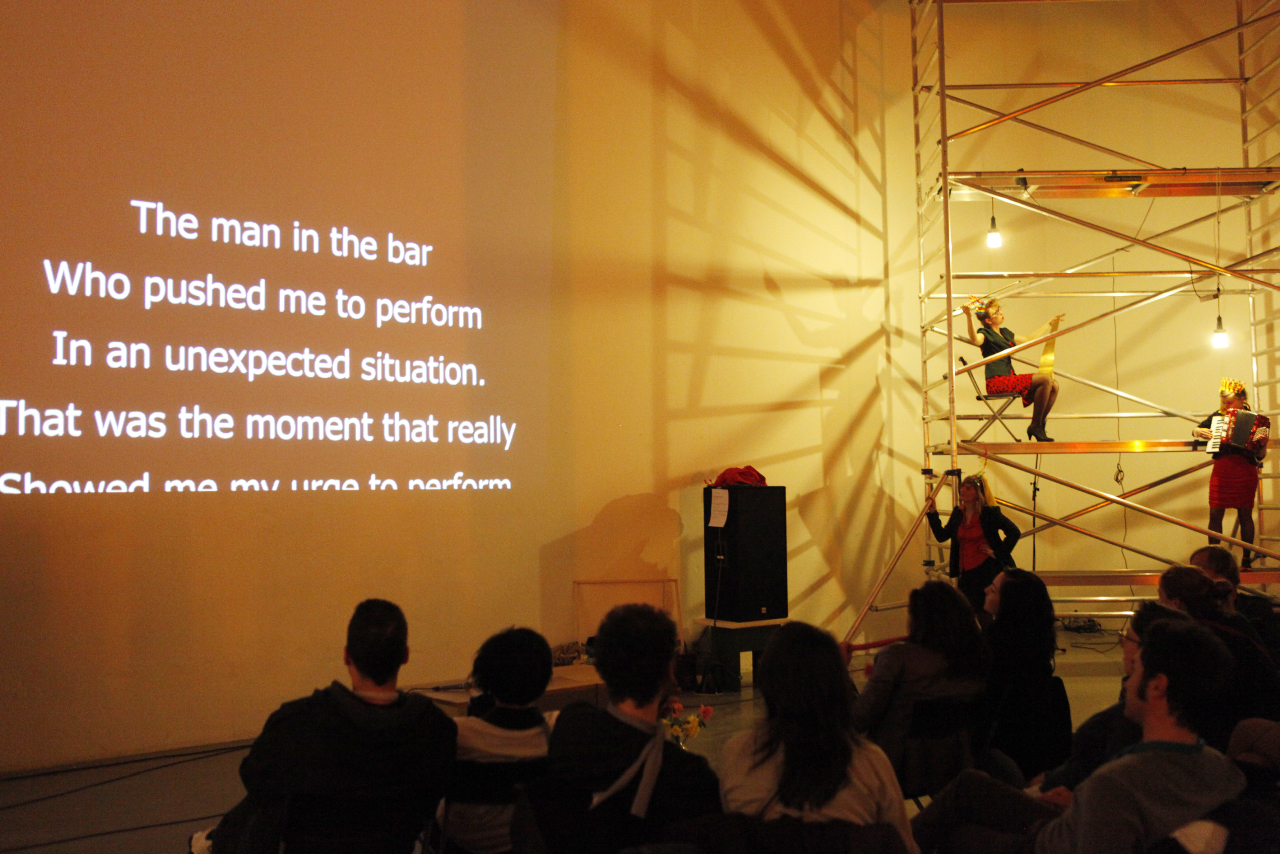
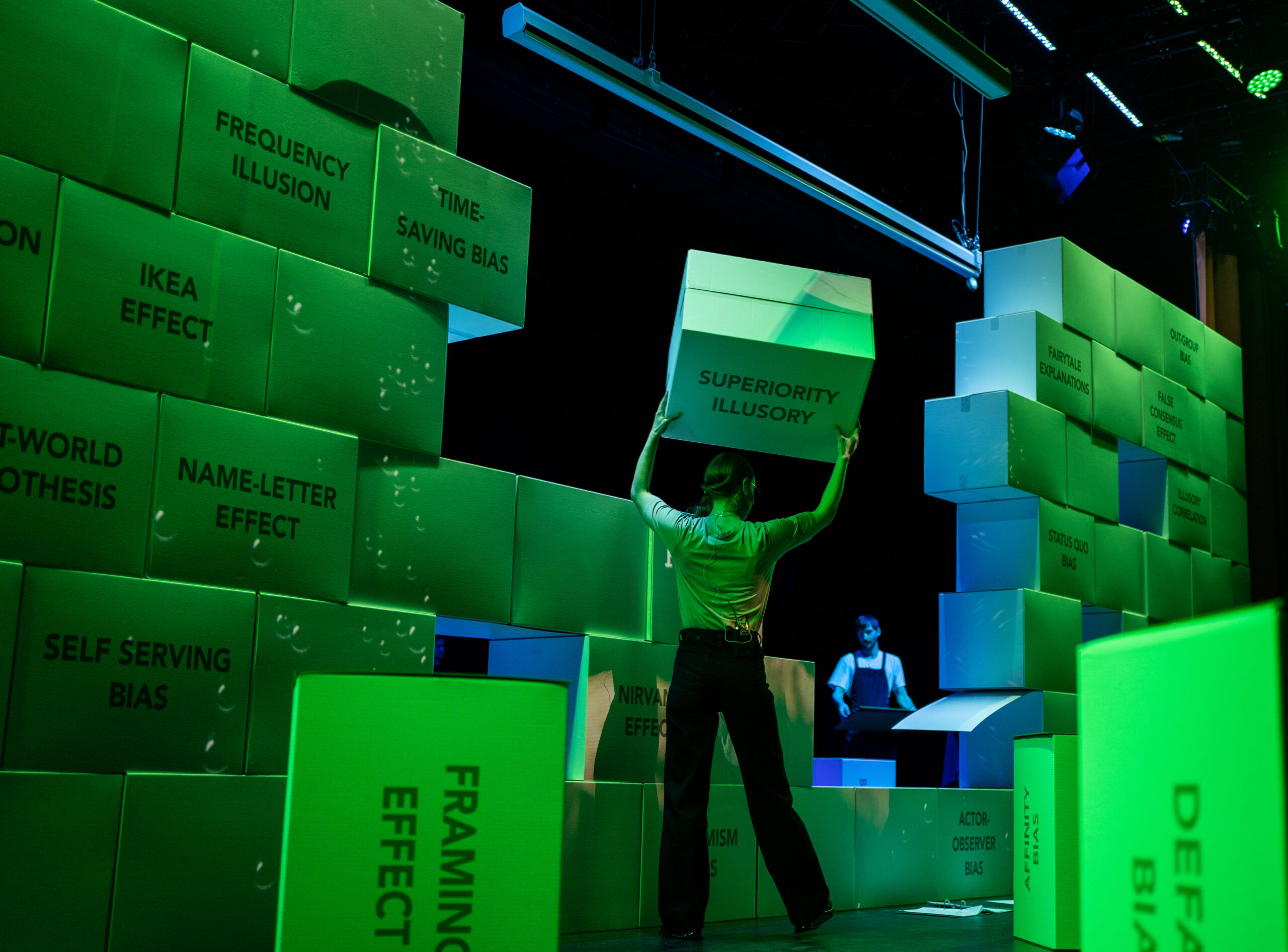
BIASED is an interactive performance that divides the audience into two groups. At the entrance, each audience member chooses between Actor A and Actor B based only on their photographs. According to their choice, they are led to opposite sides of the stage and separated by a wall built from cardboard boxes. Each box bears the name of a different cognitive bias.

Throughout the performance, the performers dismantle the wall, brick by brick, introducing the cognitive biases written on each box. The audience takes part in psychological tests designed to reveal these mental shortcuts, which contribute to prejudice, misinterpretation and other errors in human thinking. As more of the wall disappears, the two groups gradually begin to see one another. By the end of the first part of the performance, the wall has been transformed into the Experimental Ruin Café on stage. The cardboard boxes that once divided the audience now serve as café tables. Around them, the two groups take part in game-like experiments exploring cognitive biases in their own lives. See a 7-minute documentation of the performance here.

The performance was created by Oliver Kochta-Kalleinen, Tellervo Kalleinen, director and dramaturg Anna-Mari Karvonen, actor Matija Kezele and musician Fred Nevché. Part of the work group were the actors Yasmin Ahsanullah and Niina Sillanpää. The light and space design was made by Milla Martikainen.  It was produced as part of Espoo Theatre & ’s contribution to the Centriphery project, funded by Creative Europe. BIASED premiered at Espoo Theatre & in 2022 and later toured Finnish schools.

Photo by Darina Rodionova
For This Dance, I Will Take the Lead

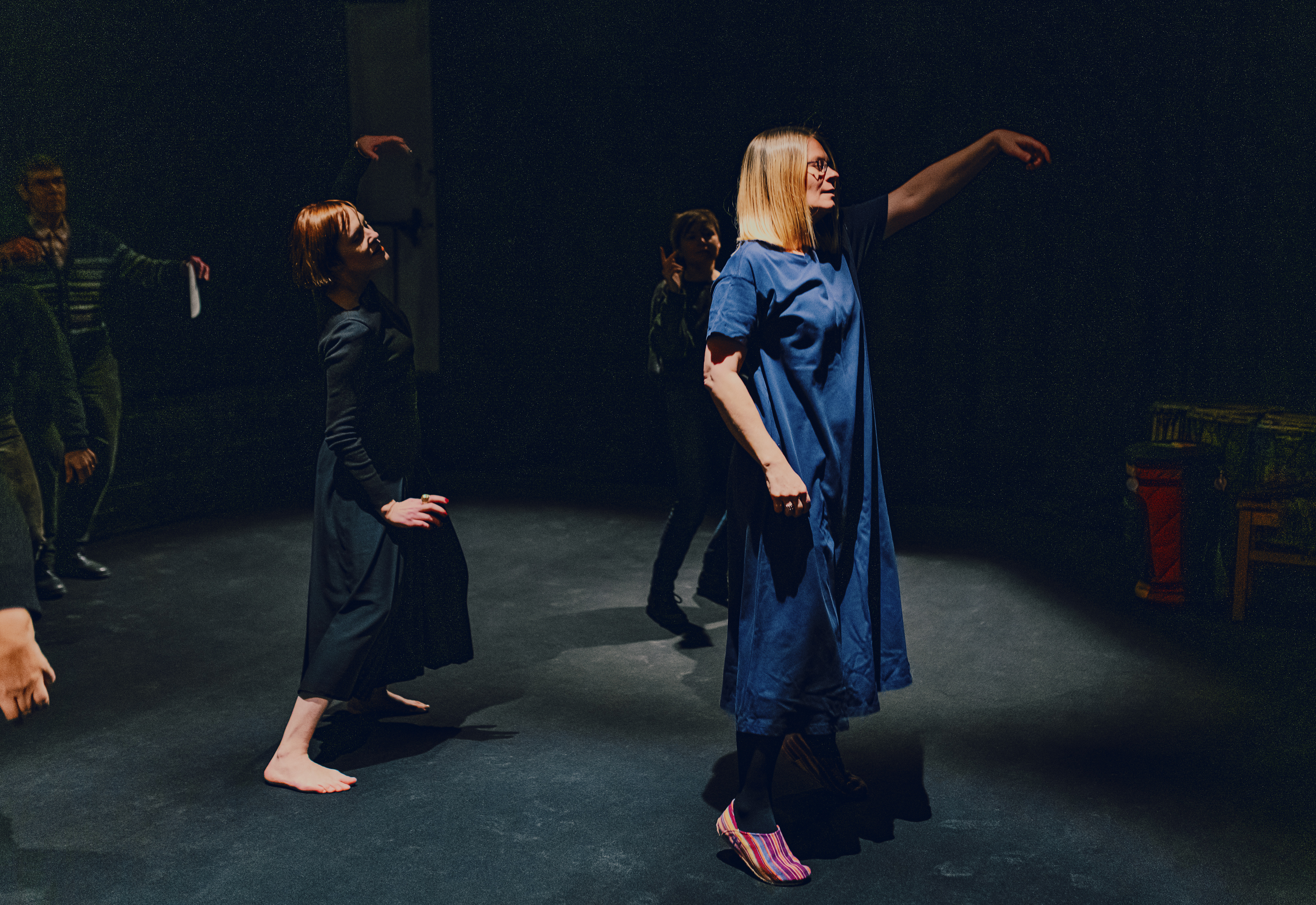
Together with around six participants, I host a collective dance event. As the audience gathers on the dance floor, the participants, one by one, invite everyone to dance to a song of their choice. Before the music begins, each participant shares a period in their life when they lost control. Now, they take the lead, and the audience is invited to follow their movements.

The project was first commissioned and produced by Mad House Helsinki (2019). It was later organised at Living Room, Yerevan (2025), and at the Art of Peace Conference by Austrian Forum for Peace (2026), both at the invitation of artasfoundation.

Photo by Saara Autere

Room to Breath

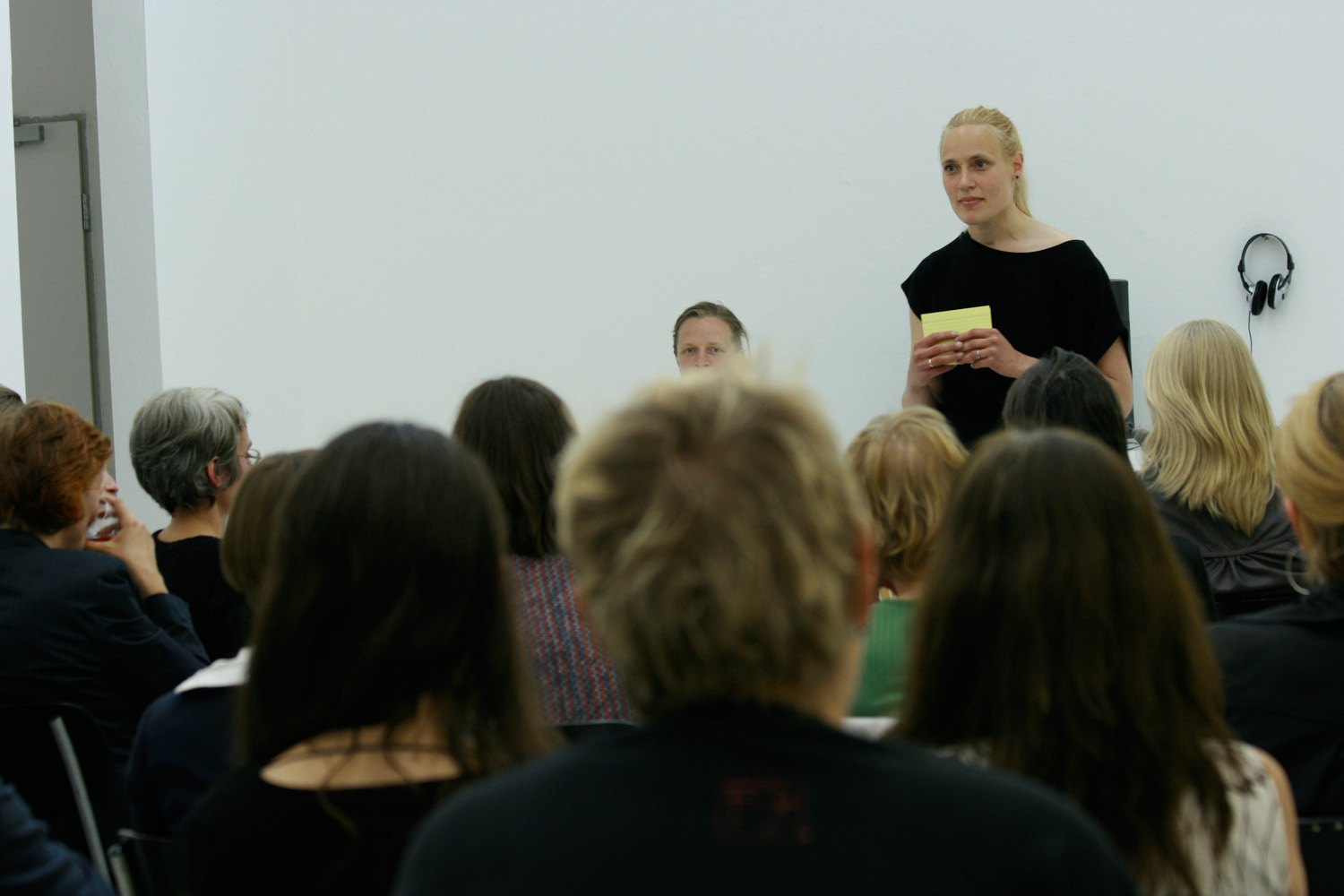
Room to Breathe (FIN: Tilaihme) begins with a simple fact: I have graduated from the Academy of Fine Arts’ Time and Space department. As a Master of Time and Space, I invite the audience into a conversation about all the spaces we bring with us into this shared space and moment. Through the play of words, the dialogue unfolds, space shifts, and time disappears…

Originally created for the media art space Sielu (Karkkila, Finland, 2024), the performance was later presented as part of JOKAklubi’s The Theory Show at Westwerk (Hamburg, Germany, 2024).

Playing Adults

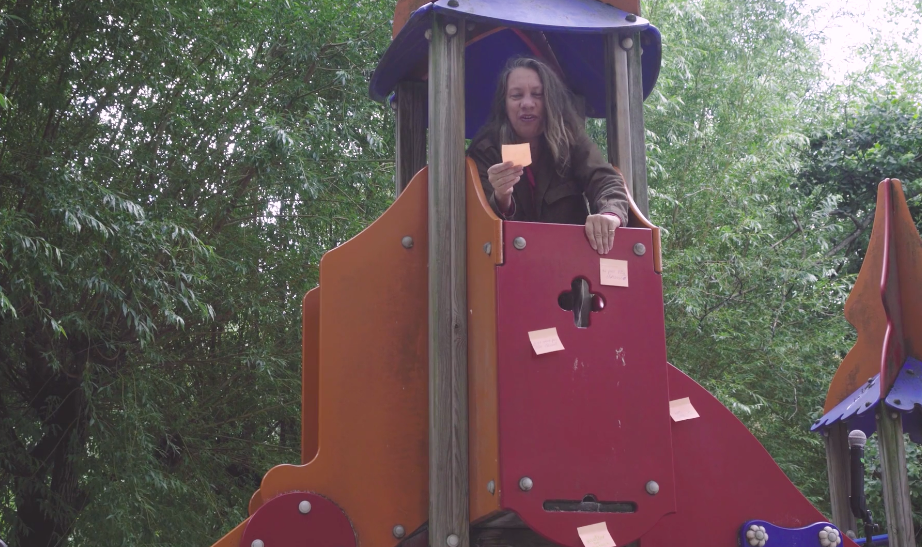
The performance turned the playground into an absurd stage of adulthood, and created an awkward tension and dialogue between generations. Four adult actors presented children ́s views about adulthood, with the audience following them and occasionally participating in the acts. As they slid down, they shouted what kind of adults they didn’t want become. While balancing on the seesaw, the performers shared children ́s thoughts on adult dilemmas. The piece brings out children’s critical views and hopeful thoughts about their uncertain future as adults in a rapidly changing world. 

Oliver Kochta-Kalleinen and I created the piece in 2021 for Trouble Festival, Brussels.

The performers: Maxime Bodson, Jean Fürst, Julia Ghysels and Emilienne Tempels

Assistant director: Francoise Berlanger

Curator: Antoine Pickels

Production: Trouble Festival, Brussels

Support: Finnish Institute Benelux

Temporary Pavilion for Permanent Negotiations

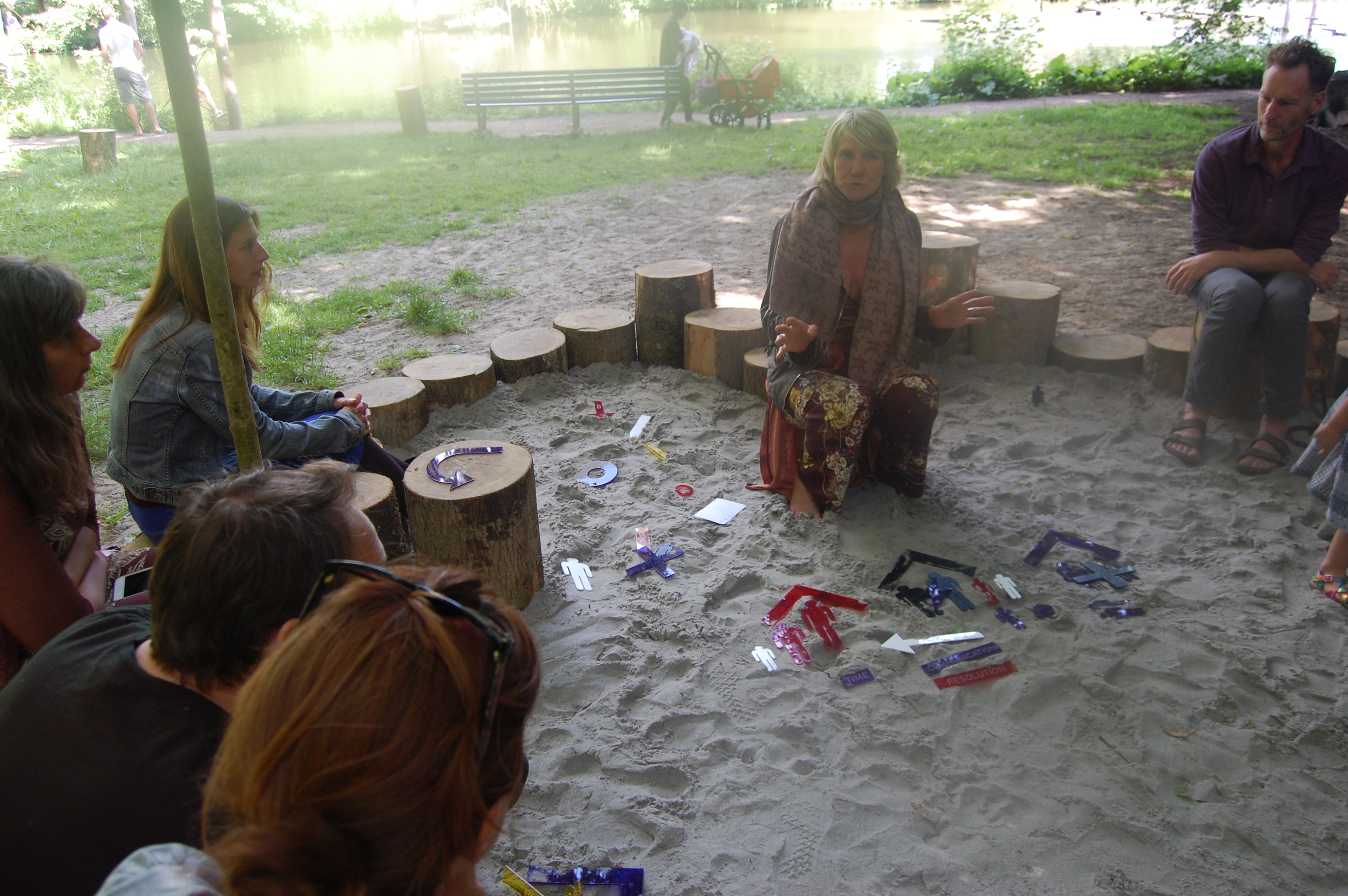
A storyteller shared stories of conflict collected from local residents in a sandbox. As the audience gathered around an arena made of sand and tailor-made props, she made the conflicts visible and tangible. To a passer-by, it looked like an ordinary storytelling session in a playground.

Oliver and I created the project for Cure Park (2017), organised by TAAK in Amsterdam, which brought art interventions to the tranquil setting of one of the Netherlands’ largest public parks. The storyteller was the professional mediator Chantal van Doesburgh. The work was later presented in Helsinki, curated by Ceyda Berk-Söderblom.

Recycling You

As the name suggests, I host a recycling event. Audience members exchange old opinions. An idea you no longer need may be interesting to someone else. Some opinions are needed by nobody.

I have performed Recycling You at numerous festivals and art events since its premiere at the Teatteri Nyt festival at Kiasma, Helsinki, in 2009.

The photo is taken by Carolin Blöink at Atelierfrankfurt, Frankfurt am Main, as part of an art event called Isn’t Everything After all a Part of Our Inner Life With the External Left Outside Our Counsciousness, curated by Dr Sonja Müller.


Tunneluonto

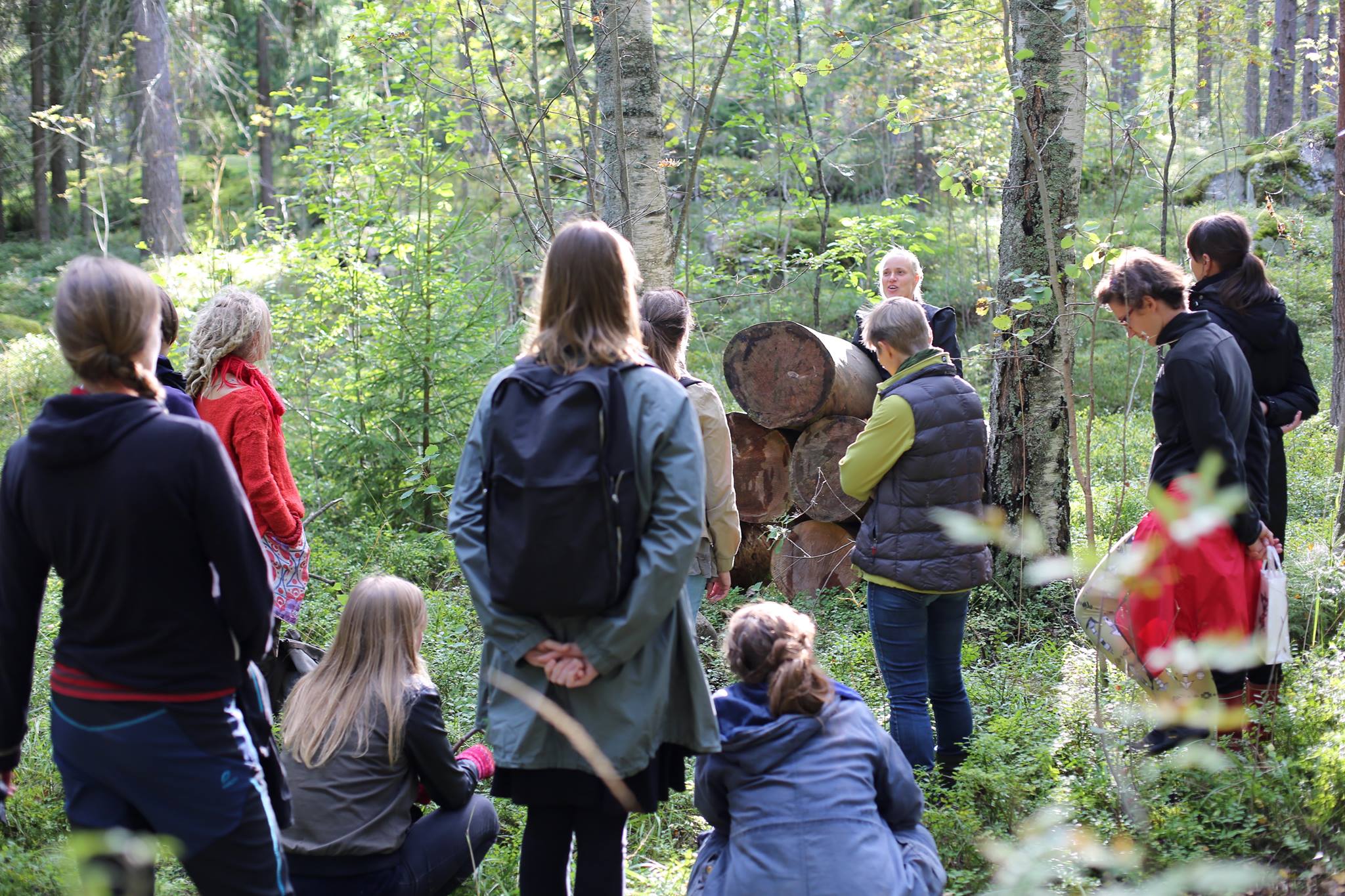
In the Finnish language, tunne luonto refers both to “knowing nature” and “feeling nature.” In our interactive Tunneluonto walk, Maija Hirvanen and I invited participants to reflect on the relationship between knowledge and sensation in their experience of nature.

The tour was originally planned for Vartiosaari and the Helsinki Botanical Garden, but it can be adapted to different environments. The walk was part of Maija Hirvanen’s Walkapolis walking series in 2016.


JOKAklubi

JOKAklubi (since 2009) is a group of three Finnish visual artists and performers who prefer clubs and intimate venues to gallery spaces. Their wild and generous events bring together local audiences and fellow artists. Their stage is always open to guest performers, and each evening takes shape through the people, the place and the occasion.

JOKAklubi consists of Niina Lehtonen Braun, Mirka Raito and Tellervo Kalleinen, who have been performing together since the late 1990s, including as the group Voukkoset (1999–2001).

COMPLAINTS CHOIR

Tellervo Kalleinen & Oliver Kochta-Kalleinen 2005-2014
Many commissioners, including Mori Art Museum (Tokyo), Kiasma (Helsinki), Nordwind festival (Berlin), Pro Arte (St. Petersburg), Fringe festival (Singapore)

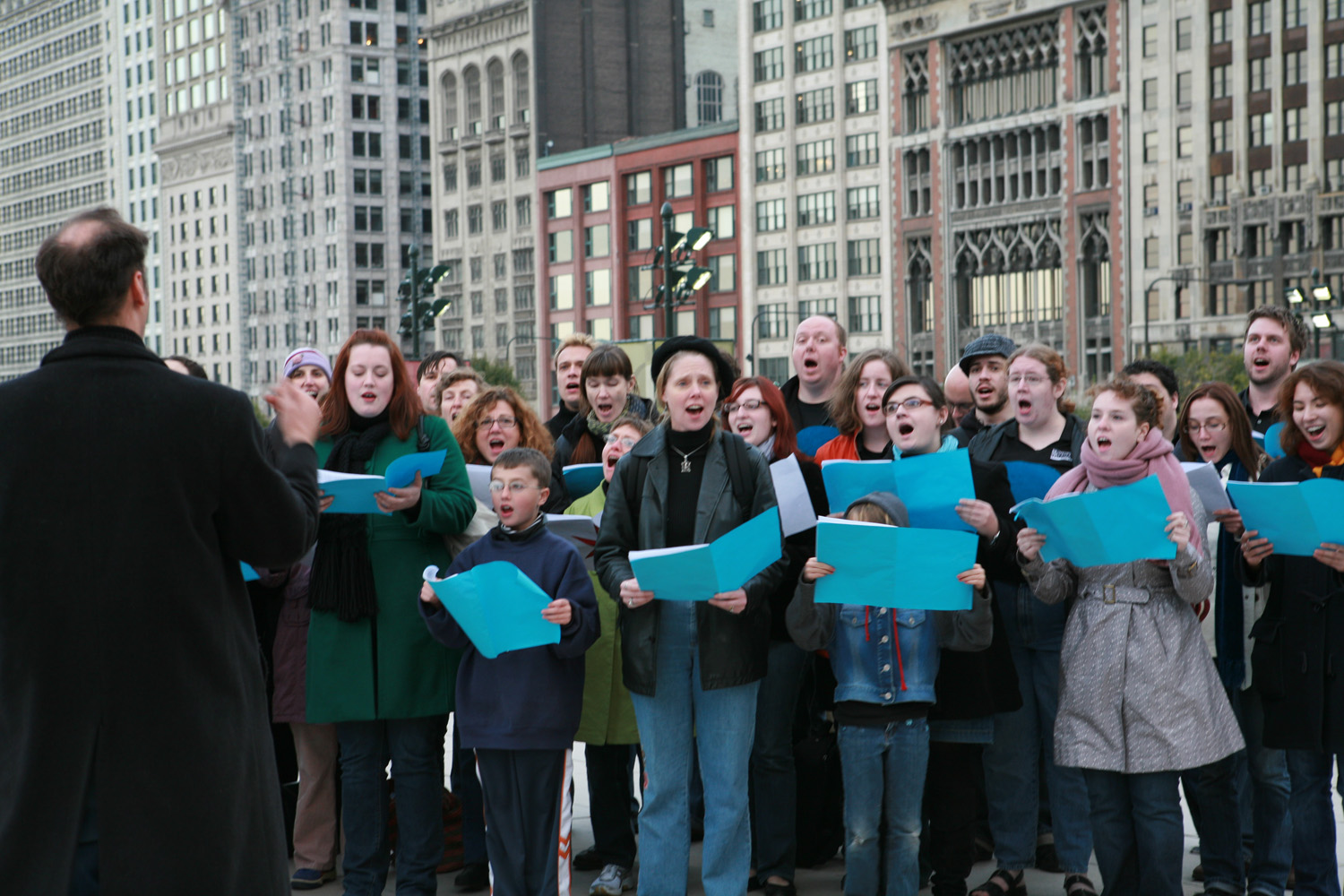
The COMPLAINTS CHOIR project invites people to sing their complaints out loud together with fellow complainers. We organised the first choir in Birmingham followed by the Complaints Choirs of Helsinki, St. Petersburg, Chicago, Singapore and many more. The documentation of the choirs form a 4-channel video installation.

In 2006 the project went “open source” when we published the “9 Easy Step Method to Organize a Complaints Choir” on our website. Since then over 150 DIY complaints choirs have been organised all over the world.

Family Comes Home

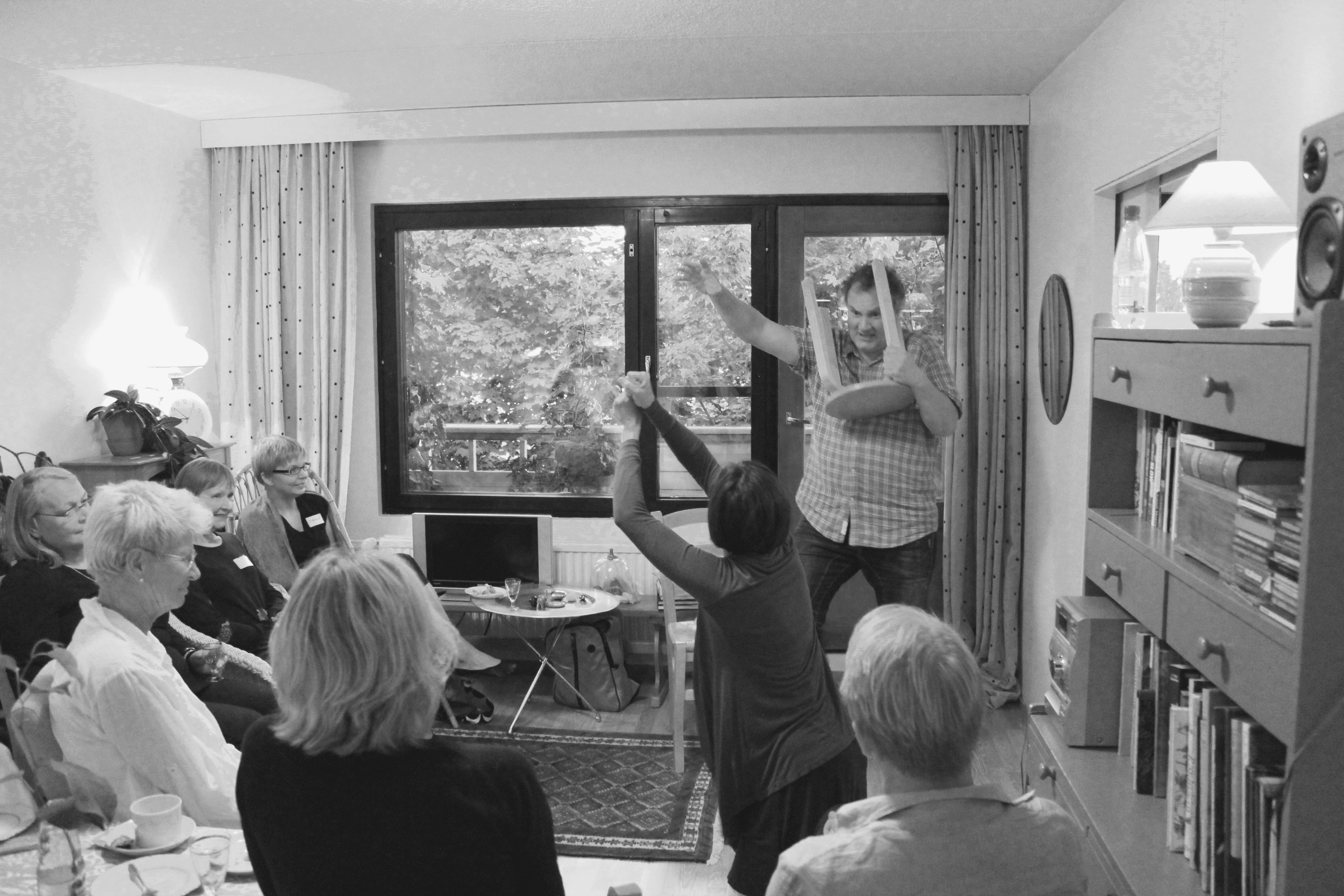
Family Comes Home takes place in a private home, where audience members are thrown into an odd family reunion. The evening explores the stories of ancestors that audience members carry with them, whether they remember them or not. The performance consists of three acts: Memory Game, Odd Family Party and The Play.

Oliver Kochta-Kalleinen and I developed the project for the Helsinki Festival in 2013, curated by Erik Söderblom. It was performed by Max Bremer and Johanna af Schultén.

The Summit of Practical Utopias

[metaslider id=1444]

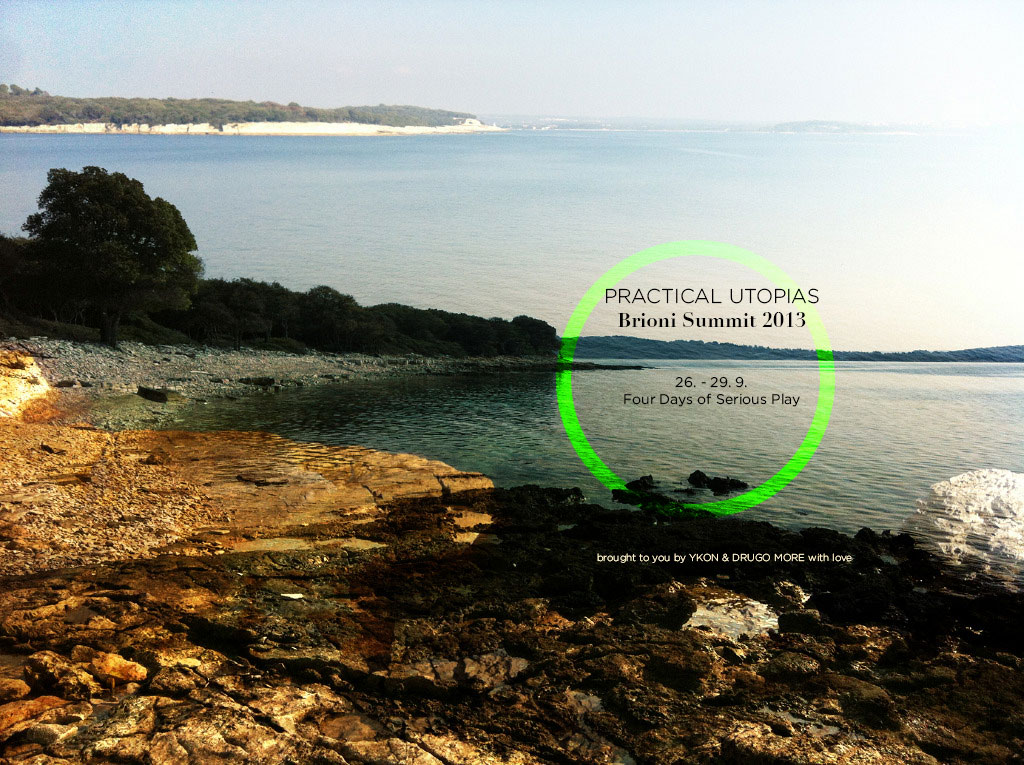
The Summit of Practical Utopias 26—29 September 2013 in Brioni Island, Croatia
Organised by YKON, Drugo More and Electra

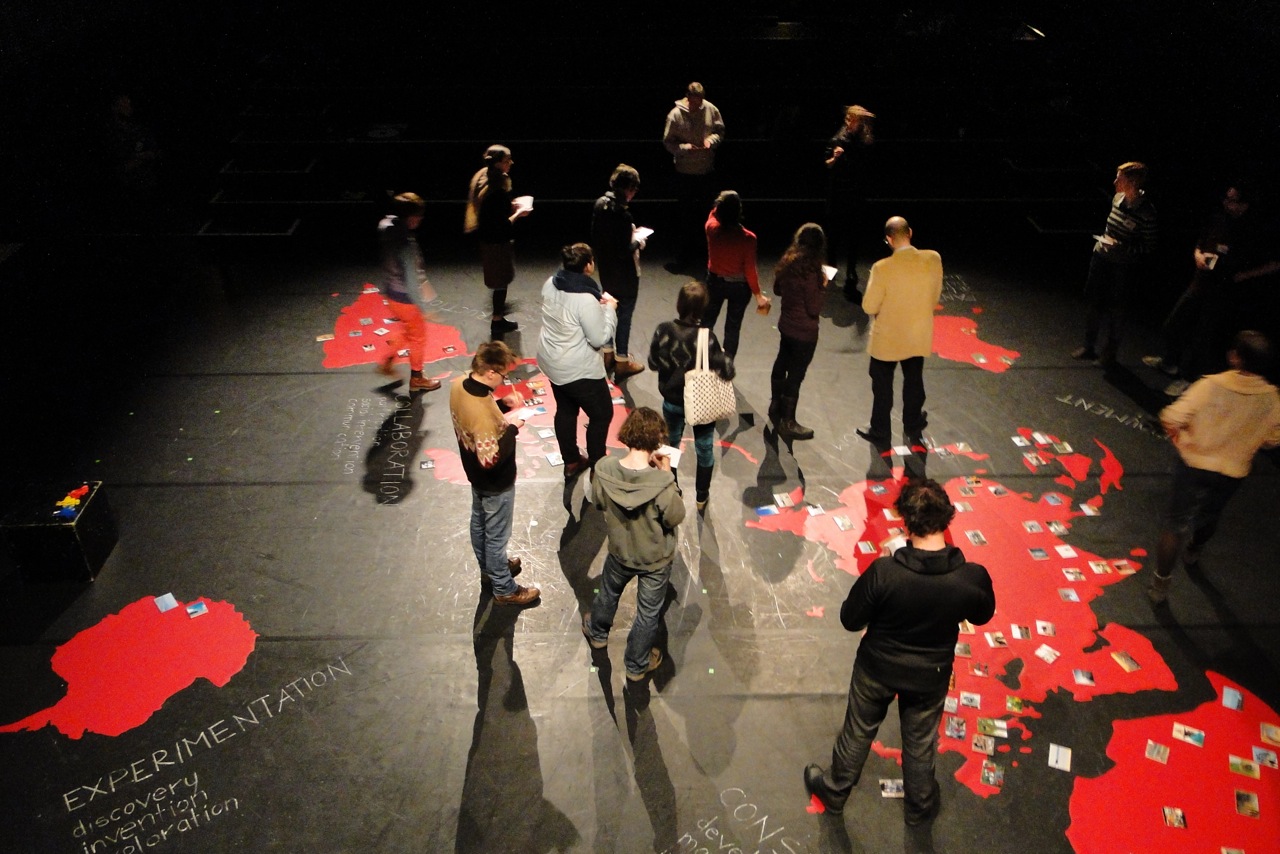
The Summit of Practical Utopias gathered 35 activists, artists, game designers, researchers and visionaries on the island of Brioni, President Tito’s former summer residency in the Croatian Adriatic Sea. Organised as a collaboration between YKON (FIN/DE) and Drugo More (CRO) in dialogue with Electra (UK), the three-day Summit took the form of a reality game where game rules, rather than summit conventions, defined the interactions between participants or players.

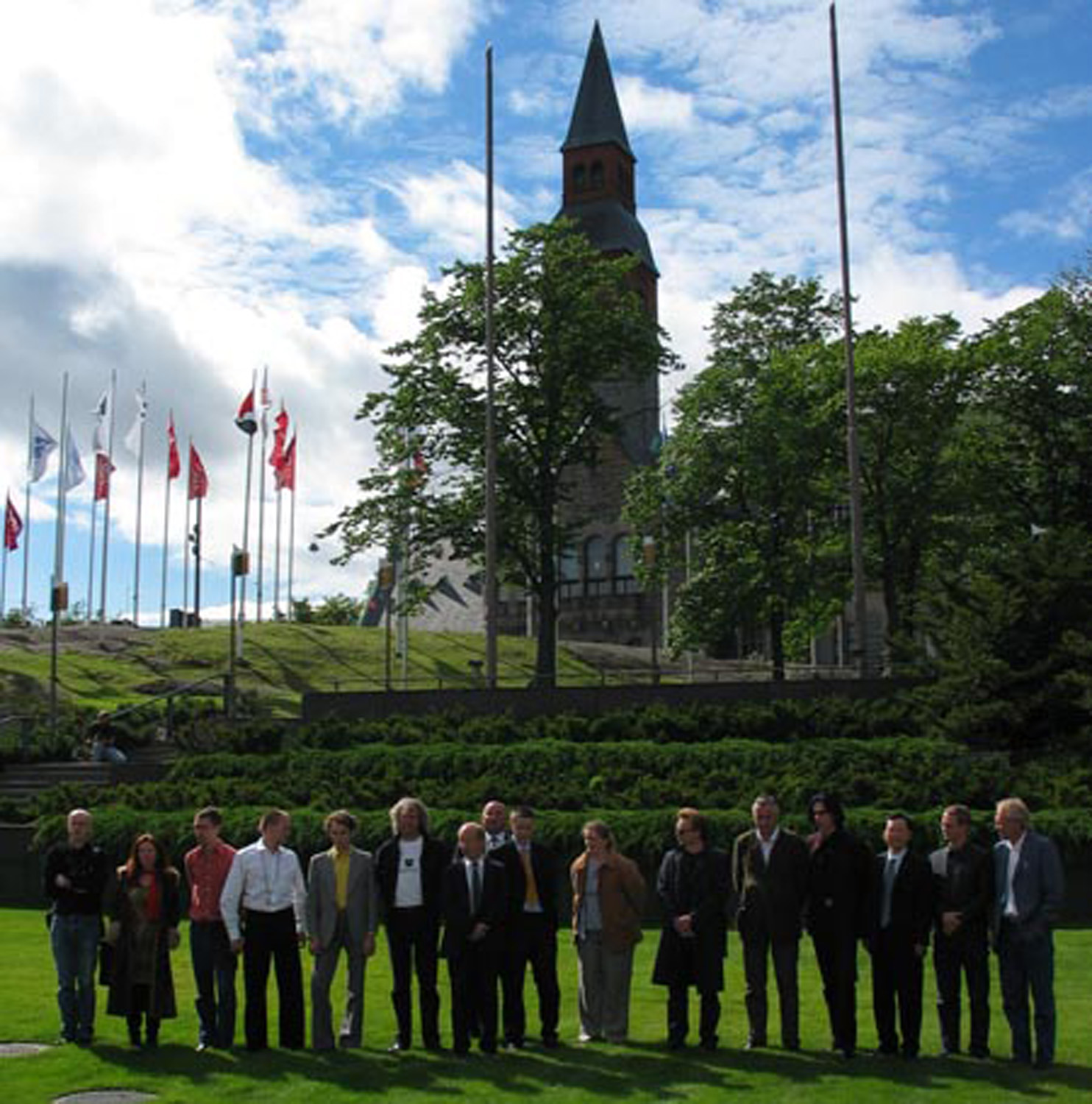
The Summit of Practical Utopias was born out of the legacy of The First Summit of Micronations, held in Helsinki in 2003. Kings, presidents and representatives of ‘self-made’ countries such as The Principality of Sealand, Ladonia, NSK-State, Kingdoms of Elgaland & Vargaland, Transnational Republic and State of Sabotage met each other in an unprecedented three-day exchange.

The participants in the 2013 Summit of Practical Utopias represented a wide cross-section of contemporary Utopian practices. Find out about the participants here

PRACTICAL UTOPIA
The term was coined specifically for the Summit. It reflects the desire to change the current system of society by developing alternative proposals that outline the first practical steps towards long-term processes of change. Practical Utopia insists on the necessity of Utopia as an intellectual concept interlinking the fantastical and the pragmatic in bringing about social, political and artistic change.

THE GAME
Replacing conventional conference formats, the Summit will use game design to provide a playful yet serious system of exchanges. The sights and infrastructures on the Island will be turned into a playground that will support the players to collaborate in novel ways.

The game is designed by the artist collective YKON and inspired by Buckminster Fullers’ ‘World Game’ (1961). It was created as a proposal for an alternative system of pedagogy: a game, rather than a curriculum, as the main platform of learning. It was intended as a tool to formulate competing, comprehensive design-science approaches that would “solve all the problems on Planet Earth.”

BRIONI
Initially a stone quarry, and later a luxury retreat for the wealthy, the archipelago became Josip Broz Tito’s summer residence after World War II. Tito was the central figure in Yugoslavia’s experiments with organisational structures, experiments which profoundly transformed its society. Brioni played a crucial role in the forging of the Non-Aligned Movement, and was the site where self-managerial socialism met international celebrities and world leaders. This beautiful and provocative Island speaks both of the possibility of imagining alternative systems, of restructuring social life, whilst simultaneously problematising this desire.

What I Wish I Had Learned In School

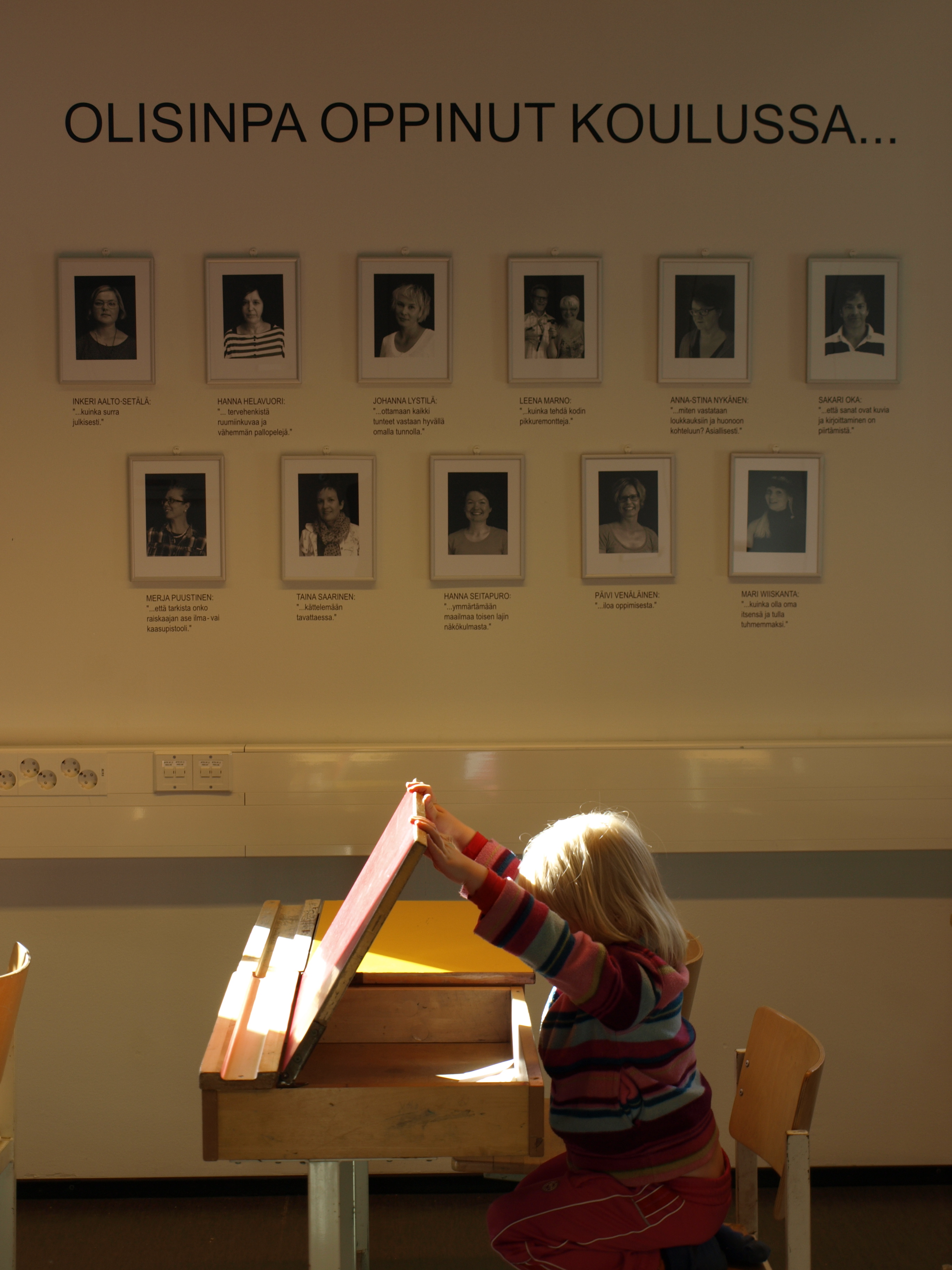
We invited people to contribute a 45-minute lesson about what they wished they had learned at school. We supported ten participants in the process of preparing a lesson on their chosen subject.

The classes ranged from practical skills to personal revelations, and they were open to anyone attending. The space for the lessons resembled a school classroom, and there were 15-minute breaks between the classes.

The project was a collaboration between Maija Hirvanen, Oliver Kochta-Kalleinen and myself. It took place at the Kerava Art Museum in 2012 as part of Palikkaooppera, curated by Kristian Smeds.

Home Theatre

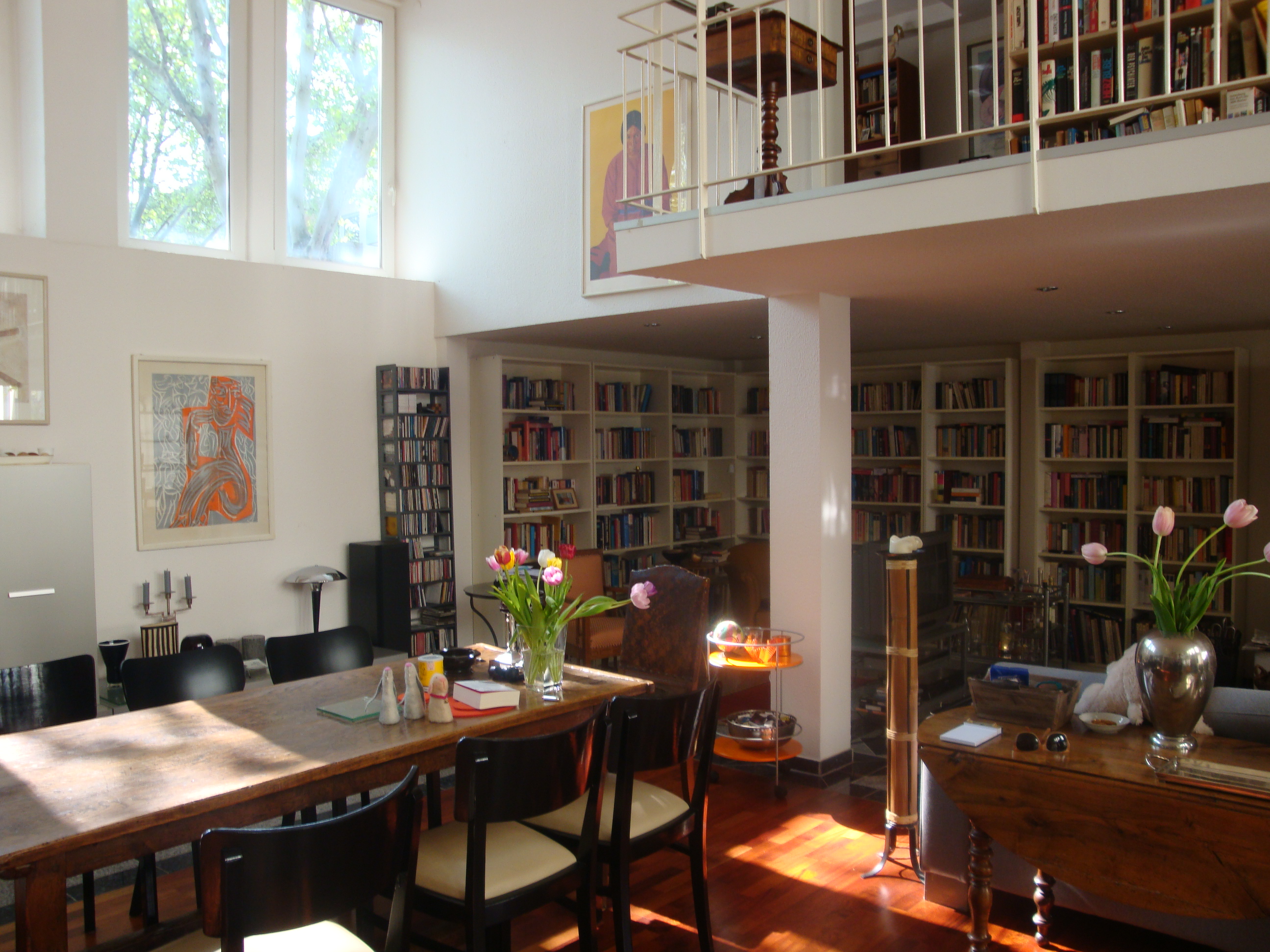
The performance took place in a private home in Mannheim, Germany. Audience members arrived in pairs, and each participatory performance lasted 10 minutes. They were invited to choose one of the plates on the dining table. Under each plate was a script describing a situation that had once taken place around that very table. The audience members then acted out the scene together. The homeowners watched each performance from the balcony, as if attending a theatre performance.

The project was developed for X APARTMENTS Mannheim (2011), commissioned by Hebbel am Ufer in collaboration with the International Schillertage.

An Etude for Everlasting Life

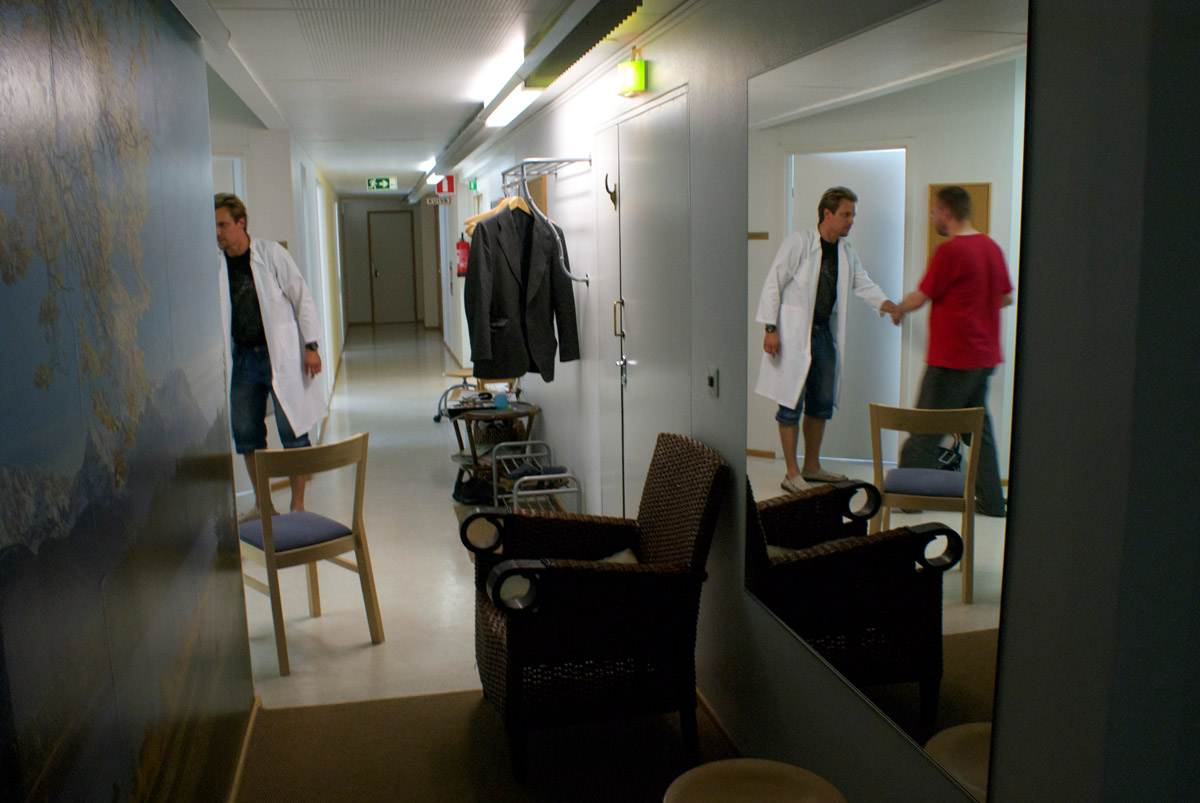
We gave a performative crash course in the roles of helping and being helped. Following a brief introduction, the performance took place in pairs behind the closed doors of private ”clinic rooms”. One participant took the role of the helper, the other the role of the person seeking help. Before entering the room, the rules of each role had been agreed upon together.

The project was a collaboration between Tuomas Laitinen and myself. It was part of Laitinen’s 12 Etudes for Everlasting Life series, produced by the Reality Research Center in Helsinki.

The Speech Karaoke

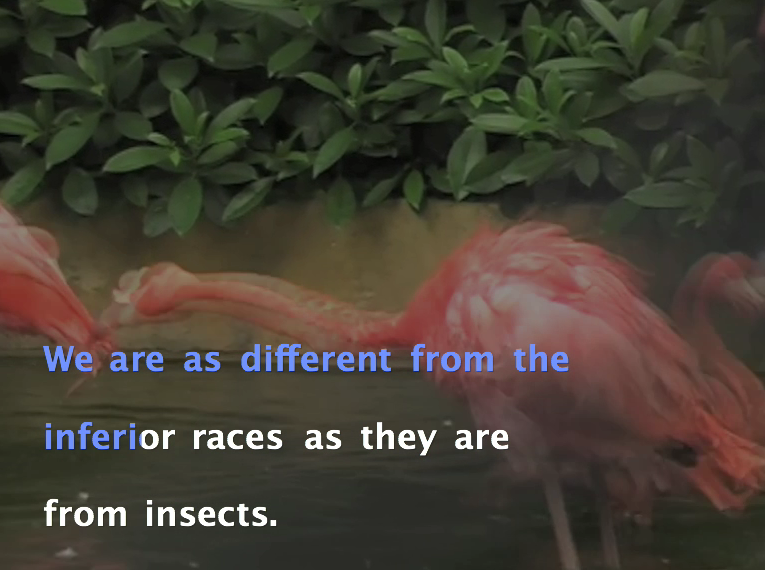
The Speech Karaoke Action Group is a group of 13 artists who developed a karaoke system for speeches. It functions like classic Karaoke, but instead of singing, people can do spoken karaoke versions of speeches – and perform it in any desired style. The system includes all kinds of speeches, ranging from dictators rants to movie speeches to private wedding speeches.

Besides the karaoke club evenings, the group organises also Speech Karaoke workshops. There anyone can add a speech of their choice to the karaoke system.

Let Me

The performer and the audience sit in darkness, discussing light.

The performance was curated by Anders Härm for the 2005 NU Festival at Kanuti Gildi SAAL, Tallinn.

YKON

[metaslider id=1448]

Find out about YKON´s projects at YKON web site

YKON was founded in 2005 as an artistic initiative and platform for exploring utopian fantasies and the political imaginary in relation to concrete sociopolitical structures and concerns.

Emerging from and working in the field of contemporary art, YKON merges the languages and approaches of a number of disciplines, such as game design, scenario development and experimental education.

The First Summit of Micronations, Helsinki 2003

[metaslider id=1453]

concept: Tellervo Kalleinen & Oliver Kochta-Kalleinen. Production: Artists´ Association MUU

In August 2003 Tellervo Kalleinen and Oliver Kochta-Kalleinen  organized The First Summit of Micronations in Helsinki. During the three day event the representatives of six micronations had a round table discussion and a gala evening in the historical setting of Finlandia House and they opened temporary embassies at Harakka island.

The summit took place  in the context of a performance festival Amorph!03, produced by the artists´association MUU. Tellervo Kalleinen and Oliver Kochta-Kalleinen were the curators of that festival.

An extensive reader on micronations was published.